
Ever wonder if an even mix in your investments can calm the ups and downs? The 60/40 portfolio does just that by using 60 percent stocks for growth and 40 percent bonds to help steady your ride when the market wobbles.
Think of it like sitting down for a hearty meal: the stocks provide the main course of energy while the bonds serve as a comforting side. It might not bring overnight riches, but it does help smooth out the rough patches on your journey.
In this article, we take a closer look at how this classic blend works and explain why many investors turn to it for steady, long-term results.
What Is the 60/40 Investment Mix?
The 60/40 portfolio is a classic way to invest that splits your money into 60% U.S. Large-Cap Stocks and 40% U.S. government bonds. It’s like putting together a balanced meal, stocks bring energy and growth, while bonds serve as a steady, calming side that helps keep your principal safe when markets are rough.
This setup comes from modern portfolio theory, which is all about balancing risk and reward. In simple terms, the quick gains from stocks get a bit of a safety net from the steady performance of bonds. When the market gets choppy, those bonds can help soften the hit from stock losses, making the overall ride a bit smoother. Lots of investors, especially those saving for retirement, appreciate this mix because it aims for long-term growth while keeping things stable.
By sticking with a 60/40 split, you're able to enjoy both the potential for capital growth and a steady stream of income. It also helps you stay focused on your financial plan instead of chasing after every market trend. All in all, this traditional approach is a smart way to tackle investments with an eye on both risk management and long-term rewards.
Rationale Behind a Balanced 60/40 Asset Allocation

The 60/40 blend mixes the upbeat energy of stocks with the reliable cushion of bonds. Think of it like a seesaw: when stocks lift your portfolio, bonds step in to steady you during market dips. Stocks spark growth, while bonds provide a safety net when things get a bit rocky.
Plus, using return estimation tools is like checking the weather before you head out. These tools let you play out different market scenarios, which helps you balance the potential for long-term gains with a smoother ride during downturns. It's all about keeping things steady and smart.
Historical Performance of a 60/40 Portfolio

When you dig into the data, you'll find that a 60/40 portfolio has grown at about 8 to 10 percent each year over many decades. This steady growth comes from combining stocks with bonds, which helps smooth out the ride even when the markets get wild. It’s like having a backup plan: when stocks take a hit, bonds usually step up to cushion the fall.
During rough times, bonds tend to move differently from stocks. In fact, instead of following stocks down, they often do the opposite. This means that when the stock part of the portfolio struggles, bonds help keep things more balanced. The result is a steadier performance and quicker recoveries than you might see in a portfolio made up solely of stocks.
A look at some key numbers shows that the 60/40 mix tends to deliver more consistent yields with fewer surprises. Check out this simple table for a quick snapshot:
| Metric | Result |
|---|---|
| Compound Annual Growth | 8-10% |
| Standard Deviation | Lower than pure stock portfolios |
| Recovery Speed in Bear Markets | Boosted by bonds |
In short, mixing stocks and bonds has supported long-term stability and growth, making it a smart choice for investors who want a bit of a safety net without sacrificing potential returns.
Advantages and Drawbacks of a 60/40 Strategy
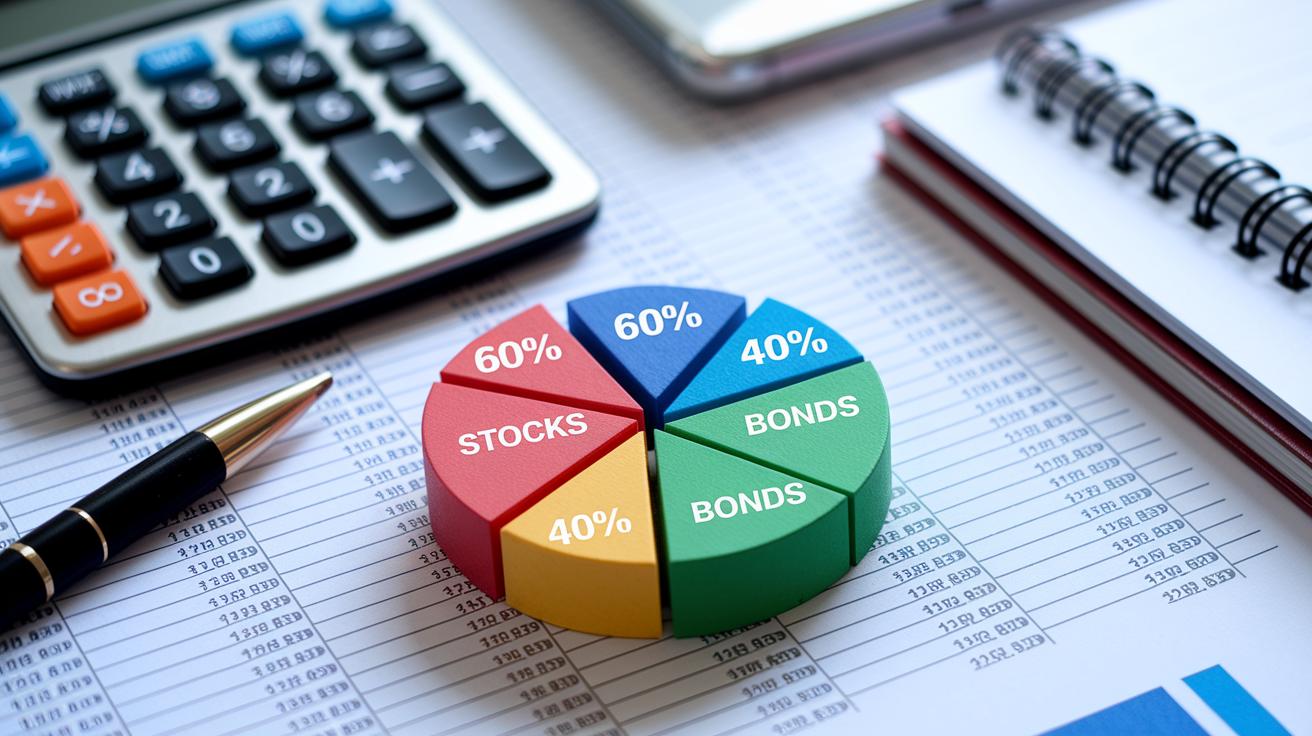
The 60/40 mix is like a balanced meal that pairs the lively taste of stocks with the steady comfort of bonds. It’s easy to understand and manage, which is why many investors choose it time and again. This approach aims for moderate growth while keeping risks in check.
Here are some of the benefits:
- It’s simple to maintain, making it a great fit whether you’re new to investing or have been around for a while.
- The mix usually means smaller losses compared to a portfolio made up entirely of stocks, which helps soften the blow during market dips.
- Bonds offer a regular income thanks to their yields, giving you a predictable flow of cash when things get turbulent.
- Depending on the bond types you choose, you might even see some tax advantages that boost your overall returns.
And here are some drawbacks:
- In a strong bull market, its cautious nature might leave you missing out on higher gains that a more aggressive strategy could capture.
- There’s the risk of interest-rate hikes cutting into the bond returns.
- This traditional mix might not perform as well as more adaptable strategies that can quickly react to changing market conditions.
- It can be less nimble when the market is rapidly shifting, which might keep you from seizing certain opportunities.
At the end of the day, while the 60/40 strategy offers a solid balance between growth and safety, it’s important to consider these points in light of your own financial goals and risk tolerance. Think of it as part of a larger financial plan, one that should match your personal needs and comfort level.
How to Implement a 60/40 Portfolio with Index Funds and ETFs

If you want a balanced portfolio, try a 60/40 mix using index funds and ETFs. It’s a clear and cost-effective way to invest. To start, build your stock section with a broad U.S. Large-Cap index fund, like one that follows the S&P 500. This type of fund tracks the overall market and helps you tap into steady growth. Think of it as picking a reliable ingredient for a well-balanced recipe.
For the bond part of your portfolio, consider high-grade bond ETFs or Treasury funds. These types of funds offer stability and can soften the effects of market dips. Imagine them as a safety net that helps keep your money safe when stocks are on the rise but the market takes a sudden downturn.
Next, decide whether an ETF or a balanced mutual fund fits you best. ETFs usually come with lower fees and can be more tax-friendly, while balanced mutual funds mix both stocks and bonds into one product for a simpler approach. Using a return calculator can help you see different scenarios and understand the risks and rewards of your choices.
It’s also important to review and rebalance your portfolio regularly. This keeps your investment spread close to 60/40, adjusting for any changes in the market. With a little ongoing attention, you can keep your portfolio on track for steady growth and income.
Rebalancing and Monitoring Your 60/40 Portfolio

Keeping your portfolio on track means checking it regularly. You can rebalance either by sticking to a set schedule, say, every quarter, or by making adjustments whenever your mix drifts about 5% off target. For example, if your stocks rise well above 60%, it might be time to sell a bit. It’s a bit like checking your car’s brakes to keep everything running smoothly.
Simple tools like performance trackers and blended index benchmarks make this easier. They show you how each part of your mix is doing compared to your plan. Even return calculators can help you see what might happen in different market situations, letting you weigh risk against reward. This approach helps you stick with a moderate risk strategy and keeps your asset mix balanced.
Regular reviews mean your portfolio can adapt as market conditions change while still fitting your long-term goals. Making these checks part of your routine is like a health check for your finances, it shows when to make adjustments that match your comfort level with risk. In short, this disciplined habit builds confidence, helping your 60/40 portfolio stay strong no matter what the market brings.
Final Words
In the action, we broke down the 60/40 portfolio to show how it mixes U.S. large-cap stocks with government bonds to balance growth and stability. Small but steady gains and measured rebalancing can strengthen long-term returns. We highlighted practical examples and tools to track your progress. By comparing the method’s benefits and limitations, this guide simplifies financial planning. Let these insights spark confidence as you adjust your allocation and head toward lasting stability and growth.
FAQ
What is a 60/40 portfolio?
The 60/40 portfolio signifies a mix of investments with 60% equities and 40% government bonds that aims to balance potential growth with lower volatility and steady income.
How do ETFs and index funds implement a 60/40 portfolio?
Investors typically use a broad U.S. stock index fund for 60% of the allocation and high-grade bond ETFs or funds for the remaining 40%, providing cost efficiency and tax-friendly options.
How does a 60/40 portfolio perform historically?
Historical performance of the 60/40 mix has averaged about 8–10% annual growth, with bonds cushioning declines during downturns, which creates a smoother overall return profile than pure equities.
What is the drawdown of a 60/40 portfolio?
The drawdown in a 60/40 allocation is generally less severe than that of an all-stock portfolio, as bonds help cushion losses during market dips and aid in faster recoveries.
What tools exist to calculate a 60/40 portfolio’s potential returns?
Various online calculators specifically designed for the 60/40 model enable investors to estimate growth and risk exposure by analyzing historical data and simulating future outcomes.
At what age should one consider adopting a 60/40 portfolio?
Many investors shift toward a 60/40 mix as they near retirement or when a reduction in portfolio volatility aligns better with their personal risk tolerance and long-term financial goals.
How does a 60/40 portfolio compare to the S&P 500 index?
Unlike an S&P 500-only approach, the 60/40 portfolio includes bonds that reduce risk and offer regular income, making it a more balanced and stable option during market fluctuations.
What is the 50/30/20 portfolio?
The 50/30/20 portfolio is a budgeting rule that assigns income percentages to needs, wants, and savings rather than an investment mix, unlike the asset-based 60/40 allocation.
Where can I find more guides like PDFs or online discussions about 60/40 portfolios?
Numerous online resources, including PDF guides and forum threads on platforms like Reddit, offer practical insights, detailed examples, and useful calculators for those exploring the 60/40 strategy.