
Ever wondered if choosing the right day trading platform could jump-start your financial future? For beginners, every second counts, and even a tiny delay might turn a profit into a loss. In this post, we're cutting through the clutter to explain why a fast, clear, and educational trading system really matters.
Imagine a platform that offers real-time data, practice accounts, and tools you can easily understand. It's like having a simple, smart partner in your trading journey. The right pick not only boosts your confidence but also helps you make smarter moves right from the start.
How To Choose The Best Day Trading Platform For Beginners
Day trading is all about buying and selling securities within the same day to catch small shifts in prices. You need a platform that’s fast and steady, one that can handle rapid orders without any lag. Even a tiny delay could mean you miss out on a profit, so having real-time data feeds and speedy execution is really important.
When you’re just starting out, a clear and welcoming interface makes all the difference. You want a platform that guides you easily through each trade. Look for options that offer interactive tutorials, demo accounts for hands-on practice, and straightforward order routing. Plus, keep in mind that some regulations, like needing a $25,000 balance after making four day trades in five business days, mean it’s smart to pick a system that helps you manage risk.
- Must execute trades in real time to catch quick market moves.
- Must offer demo access so you can practice without putting your money at risk.
- Must provide educational resources that explain basic trading terms clearly.
- Must include risk management tools like stop-loss orders to protect you against sudden drops.
- Must show clear fees so you know exactly how costs might affect your profits.
Focusing on these points gives you a solid start. With intuitive navigation, built-in lessons, and strong risk controls, even beginners can navigate fast-moving markets with confidence. The right day trading platform not only helps you learn the ropes but also lets you test strategies safely as you build your trading skills over time.
Comparing Top Beginner Day Trading Platforms
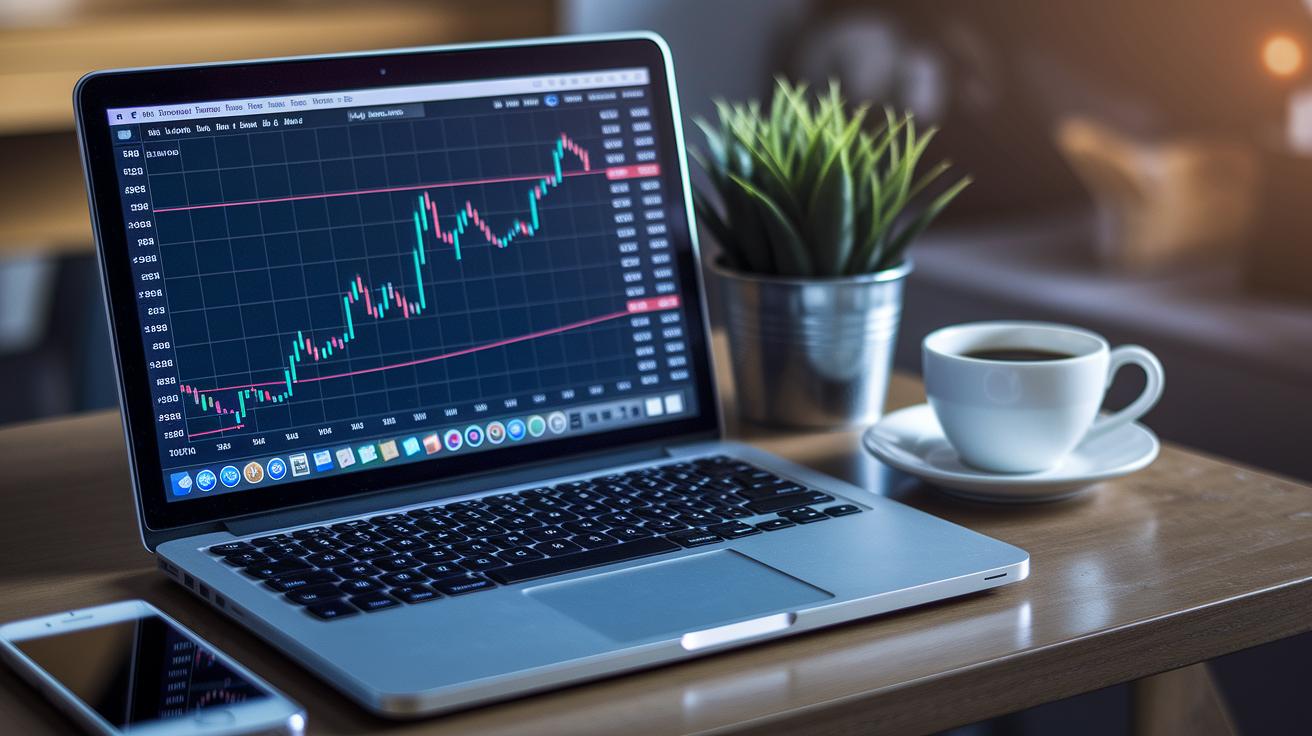
When you're just starting, it's a great idea to look at different platforms side by side. In this guide, we compare four popular choices by checking out their demo access, fees, charting features, learning tools, and customer support. This quick overview is here to help you find a platform that fits both your learning style and your trading goals.
| Platform | Demo Account | Fees | Chart Time Frames | Educational Resources | Customer Support |
|---|---|---|---|---|---|
| Webull | Available | Zero commissions | 10-second, 1-min, 5-min, etc. | Video lessons & tutorials | Live chat & phone |
| Commission-Free Broker | Available | Zero commissions | Standard intervals (1, 5, 15-min) | Basic guides | Email & chat support |
| Traditional Commission Platform | Varies by platform | Fees per trade | Multiple detailed timeframes | Advanced research modules | 24/7 phone and online support |
| Interactive Brokers IBKR Lite | Available | Commission-free for U.S. listed stocks | Customizable view including sub-minute intervals | Extensive educational content | Responsive multi-channel support |
For newcomers, Webull and the Commission-Free Broker are great low-cost options that keep things simple. They come with easy-to-read charts and built-in tools to help you learn the ropes. If you need deeper market insights and quick trade executions, a Traditional Commission Platform might be the way to go, even though you'll pay per trade. And if you want the best of both worlds, a mix of commission-free trading with strong educational support, Interactive Brokers IBKR Lite is a smart, flexible choice.
Essential Tools And Features In A Beginner Day Trading Platform
Candlestick charts kick off your day trading experience by showing clear, easy-to-read price movements. They use time spans like 1 minute, 5 minutes, 15 minutes, and even 10-second bursts to keep things simple. For instance, picture logging in and seeing your 1-minute chart pop with a sudden rise, helping you spot a good entry moment.
Having the right order types is essential for smooth trading. Whether it's a market order, a limit order, a stop-loss, or an OCO order, each one helps you set up your trades accurately and control risk. Think of a stop-loss as a built-in safety net that protects you when the market shifts unexpectedly.
A reliable platform is the heart of your trading journey. With lightning-fast execution and secure data feeds, every trade is handled without costly delays. Plus, extra safeguards like NBBO compliance and protection against sneaky algorithms help keep your trading strategy steady and trustworthy.
best day trading platform for beginners: Smart Pick

This platform is perfect if you're just starting out. It offers loads of easy-to-understand materials like video lessons, live webinars, free e-books, and hands-on trading tutorials. Think of these as your beginner’s guide, showing you how even the smallest price changes can add up to profits.
You also get a demo account to practice your strategies without any risk. With virtual trading, you can try different techniques and keep an eye on key stats like your win rate and profit-to-loss ratio. Plus, there are free trial courses that build your confidence before you jump into live trades.
It’s a good idea to spend a few weeks on the simulator to really fine-tune your skills. Start small, maybe with just 10 shares at a time, and check your performance regularly to see where you can get better. It’s a bit like learning to ride a bike in a quiet park before you take on busy streets, it prepares you safely for real market challenges.
Setting Up Your First Day Trading Account And Navigating The Platform
Starting out in day trading is all about choosing the account that fits you best. You might pick a cash account where you trade only with your own funds, or go for a margin account, which usually requires a start-up minimum of $25,000. Your broker will kick things off by verifying your identity, asking for a few documents, and setting a timeline to approve your account. Once that’s done, you’re set to experiment with both demo and live trades, gearing up for the fast pace of day trading.
Account Registration Process
When you register, you'll share some basic personal details along with a verified ID. Brokers usually ask for something like your driver’s license or passport and proof of where you live. Approval can take a little time, so be ready to wait just a bit before your account is fully active. This part is key for following regulations and starting your trading journey on the right foot.
Demo Account Activation
Think of a demo account as your playground for trading, no real money, just practice. You get a virtual balance that lets you try out different types of orders, whether it’s a market order, limit order, or stop-loss. Tinkering with the simulator helps you learn what happens when you place a trade without the risk, building up your confidence before you trade live.
Live Account Funding
Once you feel ready to trade real money, the next step is funding your account. You can add funds through ACH transfers or wires, which gives you a chance to see how the money moves through the system (settlement times are usually T1 to T3). It’s smart to start small while you get the hang of things. Also, look for a platform that lays out its fees clearly, offers an easy-to-navigate interface with customizable watchlists, and keeps your data synced across both desktop and mobile, so you can keep an eye on the market wherever you are.
Tips For Managing Risk And Developing Beginner Trading Strategies

Only about 3% of day traders make a profit, so it’s really important to keep your risks in check when you’re starting out. One handy method is using a stop-loss order, a bit like an automatic safety net that sells your stock if it drops too much, preventing a small loss from snowballing into a big one.
It also makes sense to keep your trade sizes small. By doing this, you avoid a major loss on any single trade. And, if you’re thinking about penny stocks, it’s best to steer clear; their unpredictable nature can make things risky.
When setting up your trading strategy, consider whether you’re drawn to momentum trading, riding the wave of an upward trend, or if you prefer a more contrarian approach, betting on a reversal after a sharp move. Keeping track of numbers like your win rate, profit-to-loss ratio, and average gain or loss per trade is a key part of the process. Think of it as keeping score in a friendly game; knowing your strengths and weaknesses lets you tweak your plan for better results.
Timing can also play a big role. Many traders find that the best opportunities come in the morning, between 8 a.m. and 11 a.m., with Wednesday and Thursday often showing promising market moves. Aim for realistic profit goals, maybe around a 10% gain on smaller accounts when conditions are right. Just be mindful that profits from day trading are taxed as short-term capital gains, based on your ordinary income rate, so it pays to plan ahead.
best day trading platform for beginners: Smart Pick
Having fast, friendly support is a must for anyone just starting out in trading. When you need help, being able to reach someone quickly via live chat, phone, or email can make all the difference. Imagine dealing with a sudden market move or a pesky technical glitch and getting the help you need, right then and there. It’s like having an experienced friend guiding you through a busy trading day.
Another big plus is joining a supportive community. Many platforms create spaces where beginners can chat with more seasoned traders in forums, chat rooms, or Q&A boards. These spots feel a bit like a club where everyone shares tips, asks questions, and cheers each other on, whether you’re making your first trade or tweaking your strategy.
On top of that, features like integrated news feeds and live webinars add even more value. These resources keep you updated on market trends in real time and offer live sessions where you can ask questions and get instant feedback. It really feels like being part of a dynamic conversation about what’s happening in the market.
Final Words
In the action, we explored how to choose a trading platform that fits your needs by breaking down key features, including real-time data, risk tools, demo accounts, and easy order execution. We looked at top platforms with clear dashboards, commission guides, and educational resources. Each section helped you understand what to look for, from intuitive interfaces to essential safeguards against loss. This guide aims to boost your confidence with the best day trading platform for beginners, setting you on a path to steady growth and smart financial choices.
FAQ
What are the best day trading platforms and apps for beginners?
The best day trading platforms for beginners include free and user-friendly choices often recommended on Reddit. Many traders suggest Webull, Robinhood, E‑Trade, Thinkorswim, eToro, and Interactive Brokers as strong options that offer easy setup and helpful tools.
Can you make $1000 a day with day trading?
Making $1000 a day with day trading is possible but rare. Day trading requires experience, a solid strategy, and careful risk management. Most new traders work progressively toward consistent profits.
What type of day trading is best for beginners?
The type of day trading best for beginners focuses on simple, clear strategies like momentum trading and trend following. This style helps capture small price moves and relies on defined entry and exit points.
Is $500 enough to day trade?
Starting with $500 is possible but may limit your trading options. Many platforms require higher funds for margin accounts, so beginners might start small and build their account while learning the basics.
What is the best day trading course for beginners?
The best course for beginners offers clear video lessons, practice exercises, and straightforward explanations of trading basics. These courses aim to build a solid foundation and boost confidence in real market conditions.