
Have you ever noticed how a little organization can completely change the way you handle your money? Think of budget categories as a simple roadmap that splits your income into clear parts, one for bills, another for everyday needs, and one for those little treats you enjoy.
When you sort out fixed costs like your rent or utilities, variable expenses like groceries, and the occasional fun splurges, each group points you toward steady financial progress. This easy split makes spending straightforward and sets the stage for smart goal setting.
It might seem like a small tweak, but it can give you a whole lot more control over your cash. Isn't it cool when a tiny change makes such a big difference?
Core Budget Types: Fixed, Variable, and Discretionary
Budget categorization turns vague money goals into clear, everyday targets. When you split your income into separate piles, you start to see exactly where each dollar is headed, whether it's covering a steady bill or funding a fun night out. Think of your budget as a trusty map that guides you toward your financial goals. For example, imagine knowing exactly how much is set aside each month for rent, groceries, or a movie night.
Fixed expenses cover those regular, set payments like your rent or loan installments. They don't change from month to month.
Variable expenses are a bit more flexible. They include things like groceries or utility bills that can vary each month.
Discretionary spending is for non-essential treats like dining out or entertainment. These costs can be adjusted if you need to tighten up the budget.
Breaking your income into these clear categories makes it easy to keep track of how you're spending. Fixed expenses take care of the basics, variable ones handle your changing needs, and discretionary spending leaves room for a little fun. When you compare your planned amounts to what you actually spend, you can easily make small tweaks along the way. Start with a clear plan, treat setting aside money for groceries and bills just as carefully as you do with rent, and watch your budget evolve into a tool that gives you control and peace of mind.
Essential and Non-Essential Budget Categories

Essential costs are the must-haves that keep your day-to-day life running smoothly. They include big-ticket items like housing, transportation, food, utilities, insurance, and healthcare, plus regular contributions to savings, investments, and even debt payments. Think of these as the vital building blocks that support your well-being, just like paying your rent or stocking up on groceries should always take top priority.
Non-essential costs, on the other hand, give your life that extra flavor. This category covers spending on things that make life more fun and enjoyable, such as entertainment, personal hobbies, subscriptions, or even the occasional pet treat. When unexpected bills come knocking, it’s this type of spending you can usually trim down a bit to help balance the books.
Finding the right balance between these two spending groups is key to a healthy financial life. By dividing your expenses into essential and non-essential, you get a clear snapshot of where your money is going and where you might need to make tweaks. This clear-cut approach lets you adjust your extra spending when needed, all while keeping your financial health in check.
Budget Categories Percentage Allocation Guide
Percentage-based budgeting takes your paycheck after taxes and breaks it down into easy pieces. It turns your monthly income into clear portions so you know exactly where your money is going. This method makes it simple to keep your spending in line while still planning for the future. It’s like having a roadmap for your money that you can tweak and adjust every month.
| Category | Percentage Range | Dollar Amount |
|---|---|---|
| Housing | 25–35% | $891–$1,247 |
| Transportation | 10–15% | $356–$535 |
| Groceries | 10–15% | $356–$535 |
| Utilities | 5–10% | $178–$356 |
| Insurance | 10–25% | $356–$891 |
| Medical and Healthcare | 5–10% | $178–$356 |
| Savings, Investments, and Debt Payments | 10–20% | $356–$713 |
| Personal Spending | 5–10% | $178–$356 |
| Recreation & Entertainment | 5–10% | $178–$356 |
| Miscellaneous | 5–10% | $178–$356 |
These percentages are just a starting point. You can always change them based on what fits your income and habits best. In short, make your plan work for you, and enjoy the process of taking control of your finances.
Budget Categories Income and Expense Partitioning
Start by figuring out your net income – the money you actually get after taxes and deductions. Decide if you want to track your spending monthly, weekly, or even daily. Knowing your true money picture helps you make smart choices. For example, if your take-home pay is $3,564, you can easily divide it into must-haves like housing and transport, and extras like entertainment.
Zero-base budgeting is another smart way to manage money. In this method, every dollar has a job, much like planning a balanced meal where each ingredient plays its part. This keeps things clear and makes sure no dollar goes to waste, setting you up for those unexpected costs.
Finally, it’s important to compare what you planned to spend with what you actually spent. Check in weekly or monthly to see if you’re staying on track, and adjust your spending if needed. This routine is like a health check for your finances, showing you where you might be splurging too much or where you can improve.
Managing Budget Categories with Cash and Digital Tools
When it comes to staying on top of your budget, you basically have two go-to methods: using good old cash envelopes or relying on digital tools. Each path has its perks. If you like the feel of money in your hand and a clear, visual split for spending, the cash envelope method is for you. But if you’re all about automatic updates and syncing with your bank, digital options might be right up your alley.
Cash Envelope System
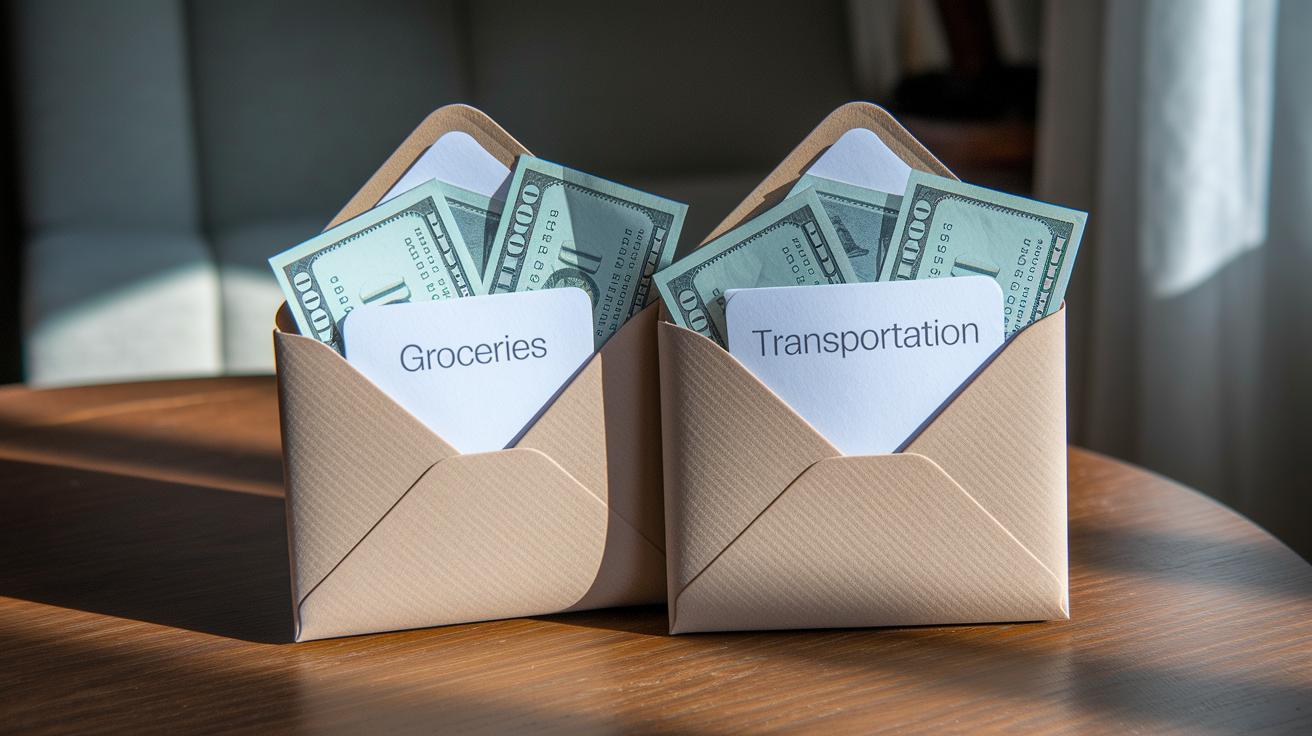
With the cash envelope method, you literally split your money into different envelopes for each spending category. It’s a straightforward way to see when you’re running low, because you can physically see the cash diminishing. Starting up is pretty inexpensive, too, most people just need to spend around $15 to $25 on basic supplies. And if you’re into a more refined setup, there are even specialized wallets that cost about $20 to $30. Imagine labeling one envelope for groceries, another for transportation, and a third for dining out, then filling each with the exact cash you plan to spend. It’s simple, tactile, and satisfying to manage.
Digital Budgeting Tools
Digital tools bring a whole new layer of convenience by automating the tracking process. For instance, you could set up a custom spreadsheet in Google Sheets if you prefer a free and flexible option. Or, if you want something a bit more structured, a budgeting app might do the trick, especially if it sends alerts when you’re close to your limit. Many banks also now offer built-in budgeting features that automatically break down your income into different spending categories. This way, you always know exactly where every dollar is headed. It’s like having a digital assistant keeping an eye on your financial pulse, so you can plan better and worry less.
Budget Categories Fuel Financial Clarity

Keeping a close eye on your spending sets you up to make smart money moves. Spending just 15 minutes each week checking your transactions is like taking the pulse of your budget. It shows you exactly where your money is headed. Try setting aside 15 minutes every Saturday to review your recent purchases. You might notice patterns in your grocery bills or dining expenses that you hadn’t seen before.
Labeling each expense right away is a simple way to stay on top of your money. Whether you use a basic spreadsheet or a budgeting app, putting your spending into clear groups can shine a light on areas that need extra attention. Picture sorting every cost into neat categories and then watching a colorful chart reveal which groups are eating up most of your cash.
Using this insight, you can tweak your upcoming budget and strengthen your spending habits. A monthly check-in can help you catch overspending early and encourages a proactive approach to managing your money. Even a small, regular review can make a big difference in keeping your budget balanced and your financial goals in sight.
Adapting Budget Categories as Your Needs Change
Reviewing your spending is like snapping a quick photo of your money habits. Take a few minutes every couple of months to see where your cash is going. This helps you spot any new needs, like extra travel if your job changes or increased grocery bills with a growing family. Adjusting your budget like this keeps it true to your current life.
When your spending details start piling up, try breaking your budget into smaller chunks. Instead of lumping all personal care expenses together, you might split them into things like grooming, fitness, and health supplies. Changing percentages or shifting your spending, say, to save for a new home or extra education, ensures your plan stays practical. Think of it like giving every dollar a specific job.
Set a reminder to check your budget every few months or twice a year. This steady review lets you make small, manageable tweaks that keep your financial goals on track while fitting your changing lifestyle.
Final Words
In the action, this post unpacked core budget types, explained essential versus non-essential expenses, and provided clear percentage guides. We broke down income and expense partitioning and compared cash and digital tools to keep your spending in check. Regular tracking and timely adjustments help fine-tune these budget categories. With these insights, you can set measurable targets and steadily build financial stability. Every step builds a better approach to managing your money, giving you the confidence to move ahead with sound financial decisions.
FAQ
Q: What are the three main budget categories?
A: The three main budget categories are fixed, variable, and discretionary. Fixed expenses are regular and predictable, variable ones change monthly, and discretionary spending covers optional purchases.
Q: What do the 50/30/20 budget categories mean?
A: The 50/30/20 rule splits income into 50% for basic needs, 30% for wants, and 20% for saving or paying off debt. This model helps set clear limits for each type of expense.
Q: How can I categorize every expense?
A: Categorizing every expense involves listing all spending items, then sorting them into groups such as fixed, variable, and discretionary. This method simplifies tracking and managing money.
Q: What budget categories should I consider in a template or list?
A: A good budget template includes groups for housing, transportation, groceries, bills, insurance, health care, savings, and non-necessary items like dining or leisure. Such a list can suit beginners and young adults alike.
Q: What are the seven types of budgeting with examples?
A: Seven budgeting methods include zero-based, incremental, envelope system, performance, rolling, line-item, and priority budgeting. For example, zero-based budgeting assigns every dollar a role so that no funds remain unallocated.
Q: What can a list of 100 budget categories include?
A: A comprehensive list of 100 budget categories covers many expense items. Grouping such items into broader groups like fixed, variable, and discretionary keeps tracking manageable and organized.