
Ever thought that your data might be the secret to smarter ideas? Companies are tapping into business intelligence by using smart tools like AI and automated analysis. Big names and small startups alike are now using fast, do-it-yourself tools to whip up reports and grab live insights.
This approach helps businesses move quickly in a bustling market. Think of advanced analytics as the secret ingredient that lets firms predict trends and make sharp, timely decisions. It’s like having a clear, simple roadmap through the ups and downs of today’s competitive world.
Core business intelligence trends shaping enterprise strategies

The global business intelligence market hit about $29.42 billion in 2023 and is projected to soar to $63.76 billion by 2032. It’s pretty clear that smart, data-based insights are now at the heart of decision making. Companies big and small are plugging into advanced analytics to sharpen their outcomes.
Technology is shaking things up in this space. AI and machine learning are quickly finding their way into BI tools, making data prep and analysis almost automatic. Self-service features are letting non-experts whip up reports and visuals in no time, while real-time analytics give businesses the speed they need to react to market shifts. It’s not just industry jargon, these are actual, usable innovations helping firms thrive in our data-packed world.
Looking at how these trends fit into corporate game plans, it’s evident that mixing up advanced tools is leading to smarter choices and smoother operations. Companies are weaving in new BI advancements like predictive analytics and personalized insights into their long-term strategies. Imagine a setup that continuously gathers market data and uses machine learning to spot trends before anyone else does. This practical approach makes it easier to spot both opportunities and risks, keeping analytics platforms nimble and ready for a fast-paced market.
Augmented analytics trends in business intelligence

Augmented analytics is like giving your business intelligence tools a brain boost. It mixes AI and machine learning to handle data prep, so you don't have to spend hours cleaning or sorting through numbers. Instead of manually crunching data, these smart systems can predict trends and suggest next moves, which makes the whole process seem almost magical.
Imagine getting detailed reports in seconds rather than hours, that’s what generative AI is bringing to the table. It’s not just about speed either; by taking over routine tasks like cleaning data and spotting patterns, these tools let teams dive into creative problem solving and tailor insights to what they really need.
With these improvements, modern forecasting feels like a breath of fresh air. Companies can plan faster and react quicker to market shifts, making it easier to stay ahead in a fast-moving world.
Self-service analytics as a key business intelligence trend

The global self-service BI market is expected to grow from $5.71 billion in 2023 to around $20.22 billion by 2030. These handy tools let everyday users whip up reports and dashboards without always having to call on their IT teams. This jump shows that businesses are really looking for analytics that are simple to use and let them make fast, informed decisions.
- Ease of use
- Faster insights
- Reduced IT backlog
- Improved data literacy
- Cost savings
Empowering non-technical users doesn’t just cut out extra steps, it also makes reporting smoother and strengthens decision-making throughout the company. With straightforward access to data, organizations can quickly adapt their strategies and act with agility.
Real-time insights and cloud-based business intelligence trends

Cloud-native business intelligence platforms give you instant access to data. They let companies pull in fresh insights right when it matters, so decisions can be made on the fly. These systems are built to handle fast data streams and keep up with today’s evolving tech needs.
Businesses now use smart, flexible analytics to keep an eye on market changes and fine-tune their operations without missing a beat. Because these platforms constantly update and feed new data into everyday work, teams can quickly jump on emerging trends. This shift is changing the way companies operate, turning data into a live, actionable resource that drives real-time decisions.
At the same time, mobile analytics are changing the game. With more people using smartphones and the growing trend of using personal devices for work, key insights are available wherever you are. These mobile tools work hand-in-hand with cloud systems, making sure decision-makers get the critical information they need, no matter where they might be. This convenience helps teams respond quickly, even when they’re away from the office, and is reshaping business operations by making agile, mobile-first decisions a new everyday norm.
Advanced data visualization trends in business intelligence
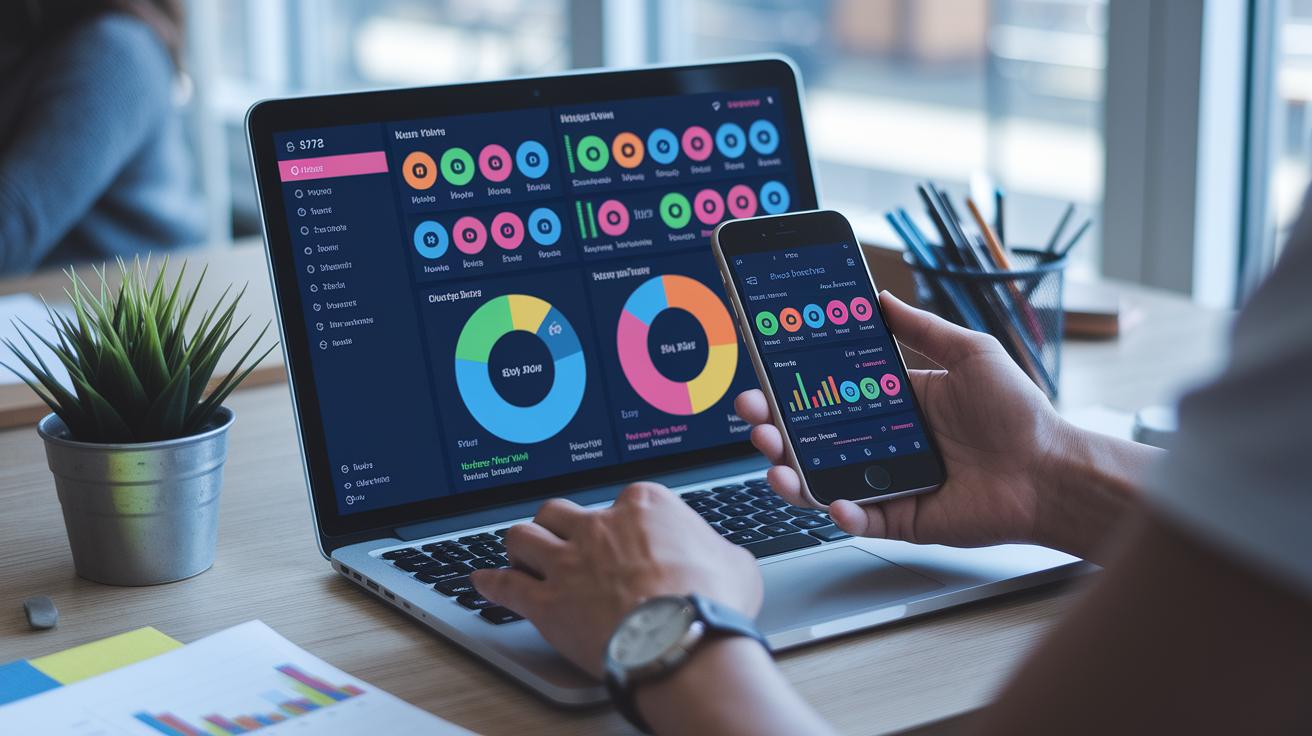
New ways to show data are changing how we see and get information. With interactive dashboards and smart designs, companies can turn raw numbers into stories everyone gets. Tools like heat maps and scatter plots help you quickly notice important trends and oddities. This fresh approach makes decision-making sharper and easier, so teams can share insights without the fuss.
- Heat maps
- Geographic overlays
- Treemaps
- Network graphs
- Animated timelines
These cool visuals are completely changing how businesses share their data stories. Picture trends that pop up right before your eyes, by 2025, nearly 75 percent of data stories might be created automatically with smart analytics. Real-time feedback lets teams tweak strategies on the fly, keeping pace with market twists and shifts in performance.
| Feature | Description | Impact |
|---|---|---|
| Interactive Dashboards | Easy-to-use screens that update instantly | Increases engagement and speeds up decisions |
| Customizable Visuals | Tools designed so you can tailor displays to your needs | Makes data clearer and reporting more precise |
| Automated Data Stories | Systems that put together visual stories using AI | Simplifies insights and helps adjust strategies quickly |
Data security and governance trends within business intelligence

Companies are quickly moving to better data quality tools to keep pace with an ever-growing cloud world. Experts predict that the market for these tools will jump from $3.23 billion in 2023 to $8.49 billion by 2030. Think of it like this, a system that is always checking and refining data so your reports and dashboards feel reliable and clear.
At the same time, strict rules like CCPA, GDPR, and the upcoming AI Bill of Rights are changing how businesses handle their data. Companies now set up careful data policies and controlled access so that every bit of information stays secure. New analytical tools help monitor data use, avoid accidental breaches, and make sure everything stays in line with the law.
We’re also seeing big strides in data mining. Advanced methods are speeding up the process and sharpening the accuracy of extracting useful insights from huge amounts of information. It’s like turning a raw, buzzing stream of data into a clear, actionable roadmap for better business decisions.
Embedded analytics and process intelligence: next-gen business intelligence trends

Embedded analytics means bringing vibrant and interactive data visuals right into the tools you use every day. It’s like having a friendly guide break down complex numbers into easy-to-read charts while you work. Process intelligence, on the other hand, helps you keep an eye on your business’s daily routines using up-to-the-minute data, so you can quickly spot ways to simplify tasks and improve how things run.
More companies are weaving these smart analytics into their software, so you get key insights at just the right moment. Experts even say that the market for these tools will jump from $68.88 billion in 2024 to $132.03 billion by 2029. This means businesses can make faster decisions by tapping into the exact data they need when they need it. Imagine a support system that flags common issues as they happen, that’s the power of turning raw data into quick, actionable insights.
At the same time, nearly 9 out of 10 enterprise leaders plan to pump more resources into fine-tuning their processes. They use these insights to trim unnecessary steps and adapt on the fly without overhauling the entire system. This approach keeps operations smooth and lets companies react quickly to shifts in the market.
In today’s dynamic world, combining embedded analytics with process intelligence is sparking new ways to make smart decisions. One company even shared that when real-time data insights teamed up with process reviews, they saw immediate improvements in their workflow.
business intelligence trends Fuel Smart Innovation

Companies are embracing green practices in the world of data. They’re now weaving ethical data care into everyday business plans. With new rules like the AI Bill of Rights and strong sustainability goals, firms are aligning their data strategies with long-term environmental and social values. This shift not only means handling data responsibly but also builds trust with everyone involved.
Today, smart data planning is all about taking clear, step-by-step actions. Companies start by setting green goals, rethinking how they manage data, and using smart tools to guess where the market is headed. They regularly update these plans to stay in line with new rules and industry trends. In short, they blend solid data practices with fresh technology to create flexible plans for future growth.
Firms are also upgrading their game by turning numbers into useful insights. By translating raw data into clear forecasts, they can spot changes in the market and adjust their strategies on the fly. This proactive approach not only puts them ahead of competitors but also shows their commitment to keeping innovation both clever and responsible.
Final Words
In the action, we traced market growth and tech shifts, unpacked augmented analytics, and highlighted self-service tools that simplify decision-making. We looked at real-time data from cloud platforms, improved visualization techniques, and smart data governance practices. Each point ties back to a framework that supports growth and stability. This article shows that staying ahead means keeping up with business intelligence trends, a vital tool that helps shape strong, confident financial strategies for tomorrow.
FAQ
What are the current business intelligence trends in 2022, 2024, and 2025?
The business intelligence trends across these years focus on AI integration, self-service tools, and real-time analytics, driving faster and smarter decision making.
What is the future of business intelligence?
The future of business intelligence embraces automation, augmented analytics, and cloud-based platforms that deliver agile, data-driven insights for competitive business strategies.
What is the forecast for business intelligence?
Forecasts predict strong market growth spurred by AI and machine learning integrations, enhanced data visualizations, and seamless cloud adoption, supporting smarter enterprise decisions.
What are the four types of trends in business?
The four types of trends include long-term patterns, seasonal fluctuations, cyclical trends, and one-off events, each helping businesses anticipate future performance.
What is trend analysis in business intelligence?
Trend analysis in business intelligence reviews historical data to spot recurring patterns, allowing companies to predict future performance and refine strategic decisions.
What formats are commonly used to present business intelligence trends, such as PDF and PPT?
Trends are often shared in PDF documents and PowerPoint presentations, offering clear visuals and concise summaries to quickly communicate industry developments.
What do Gartner business intelligence trends cover?
Gartner’s reports cover market insights, technology innovations, and strategic frameworks that help companies adapt to rapid changes in data analytics and BI tools.
What are the latest trends in data analytics for business organizations?
The latest trends include AI-driven insights, real-time data analysis, self-service platforms, advanced visualizations, and cloud-based analytics that accelerate decision making.