
Ever thought your phone might be the key to smart trading? It might surprise you to learn that day trading apps can bring active market growth right to your fingertips. These apps let you easily trade stocks, options, and even crypto, giving you a hands-on feel of the market. With features that track the market in real time, like watching the heartbeat of a busy trading floor, the experience feels both dynamic and modern.
Today, we're checking out some top choices that cut down on extra fees and make getting started simple. Stick around, and see how these apps could change the way you invest.
Day Trading Apps: Top Picks and Key Features
Robinhood stands out by letting you trade US stocks, ETFs, and options without any commissions. It even offers fractional shares and sports a clean, simple design. Imagine making a trade without stressing about extra fees, it’s that straightforward.
Webull also lets you trade commission-free, but it packs more punch with over 50 technical indicators and free Level 2 Nasdaq data available on both mobile and desktop. Its set of powerful tools helps you catch market moves fast.
Interactive Brokers gives you options with two main account types. IBKR Lite offers commission-free trading for US stocks, while IBKR Pro provides competitive margin rates and lets you access a variety of assets directly. It’s a solid choice if you want to trade across multiple asset classes.
eToro offers commission-free trading on US stocks while also letting you dive into crypto and CFD markets. Its social copy-trading feature is pretty unique, making it a good pick if you like to get insights from a community of traders.
TradeStation is known for super-fast order execution and advanced charting, thanks in part to its EasyLanguage scripting. It’s especially useful for those who trade stocks, options, and futures.
Fidelity Active Trader Pro keeps things smooth by syncing mobile and desktop platforms. It provides real-time analytics and zero commissions on US equities, with a handful of crypto options. Meanwhile, Schwab’s thinkorswim stands out with advanced charting that includes over 400 studies and multi-leg option chains, though it does charge a modest fee of $0.65 per options contract.
Other great options like ETRADE, Power ETRADE, moomoo with its Level 2 quotes and social feed, and tastytrade focusing on options and futures round out the list. Each of these apps mixes low fees with strong features, making them excellent choices for traders looking to grow in 2025.
Comparing Commission Structures Across Day Trading Apps
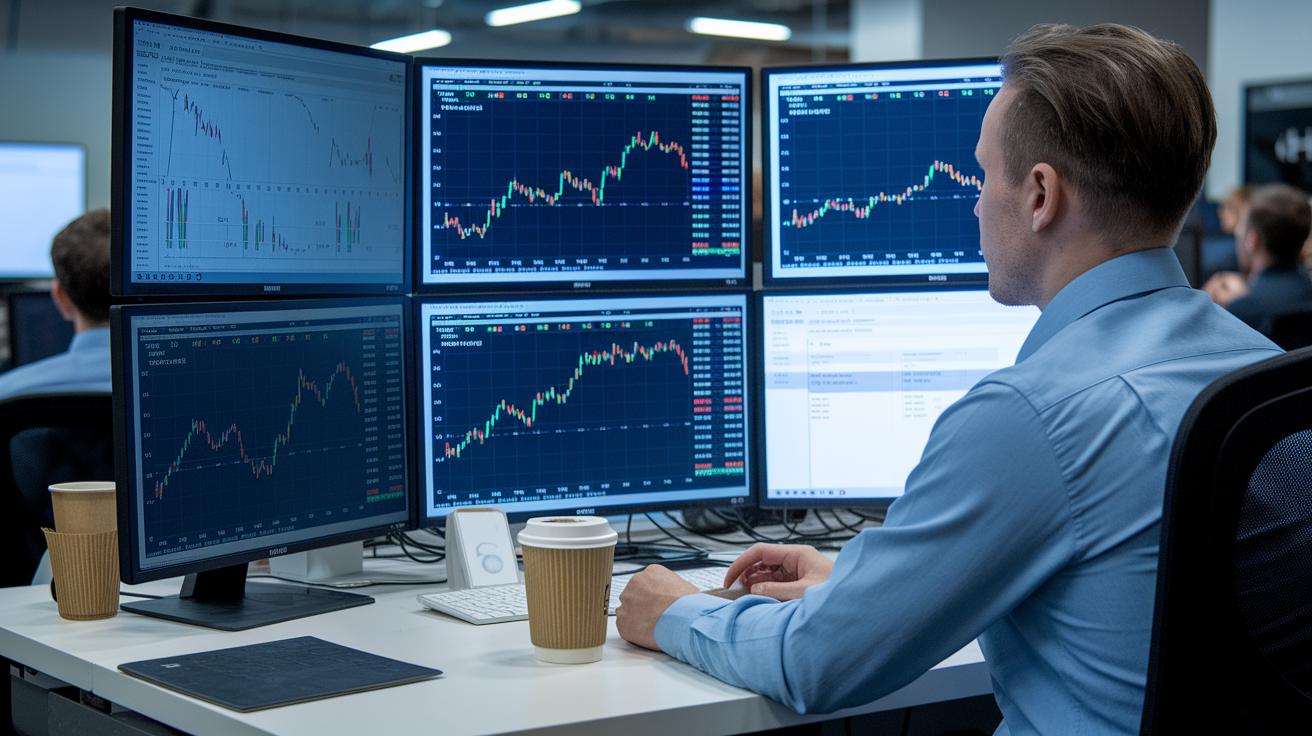
When you're trading on a daily basis, every fee matters. Many apps like Robinhood, Webull, IBKR Lite, E*TRADE, Fidelity, moomoo, Trading 212, and Firstrade let you trade stocks and ETFs without paying any commissions. This means you don't get hit with extra costs every time you buy or sell, which helps keep your overall trading costs low.
Some apps do charge a small fee when you trade options. For example, Schwab tacks on $0.65 per contract, while tastytrade starts at $1 per contract, changing with how much you trade. On busy trading days, these fees can add up quickly, so it pays to know ahead of time what you might owe.
There’s also the matter of margin trading, where you borrow money to trade. IBKR Pro offers a tiered system with rates as low as 2.68%, a sweet deal if you need extra funds. On the other hand, TradeStation charges around 4.00%, which might work better if you don’t plan to borrow too often.
If you're into CFDs (contracts for difference, which let you trade on price movements without owning the stock), fee structures can look a bit different. AvaTrade has variable spreads starting at 0.9 pips, while XM App can go as low as 0.6 pips, though there might be extra charges if you hold a position overnight.
Crypto trading has its own set of costs too. For instance, eToro keeps spreads above 1.5% per trade, compared to Webull, which stays close to 1%.
Know your ticket: Checking each app’s fee table is key to understanding your total trading cost.
Taking the time to understand these fee details can help you pick the right app and make smarter day trading choices.
Feature Deep Dive: Charting and Analytics in Day Trading Apps
Charting engines and analytic tools are at the heart of active trading. Take Webull, for example. It gives you more than 50 technical indicators plus customizable candlestick overlays that work on both web and mobile. Plus, its replay mode lets you rewind and re-watch market moves, kind of like catching a highlight reel after an exciting game.
Then there’s thinkorswim, which really pushes the limits with over 400 studies. You can even build custom indicators using thinkScript. It also features an Option Hacker scanner, so you can quickly catch opportunities as they come by. If you love digging into intraday data, this tool offers a detailed view that feels like a deep dive.
TradeStation offers a robust multi-window charting experience along with EasyLanguage backtesting. Its RadarScreen market scanner gives you real-time updates, making it super easy to keep an eye on market shifts as they happen. And for those who favor interactive candlestick charting, moomoo brings in cool extras like heatmaps, Level 2 depth charts, and even social sentiment indicators that really bring the market’s pulse to life.
On the premium side, desktop platforms such as TC2000 and eSignal round out the experience with advanced drawing tools, third-party data feeds, and even algorithmic scanning. Meanwhile, AvaTradeGO keeps things simple yet functional. It offers key tools like Fibonacci retracements and pivot points to help you track support and resistance during quick market moves.
Mobile User Experience and Interface Design of Day Trading Apps
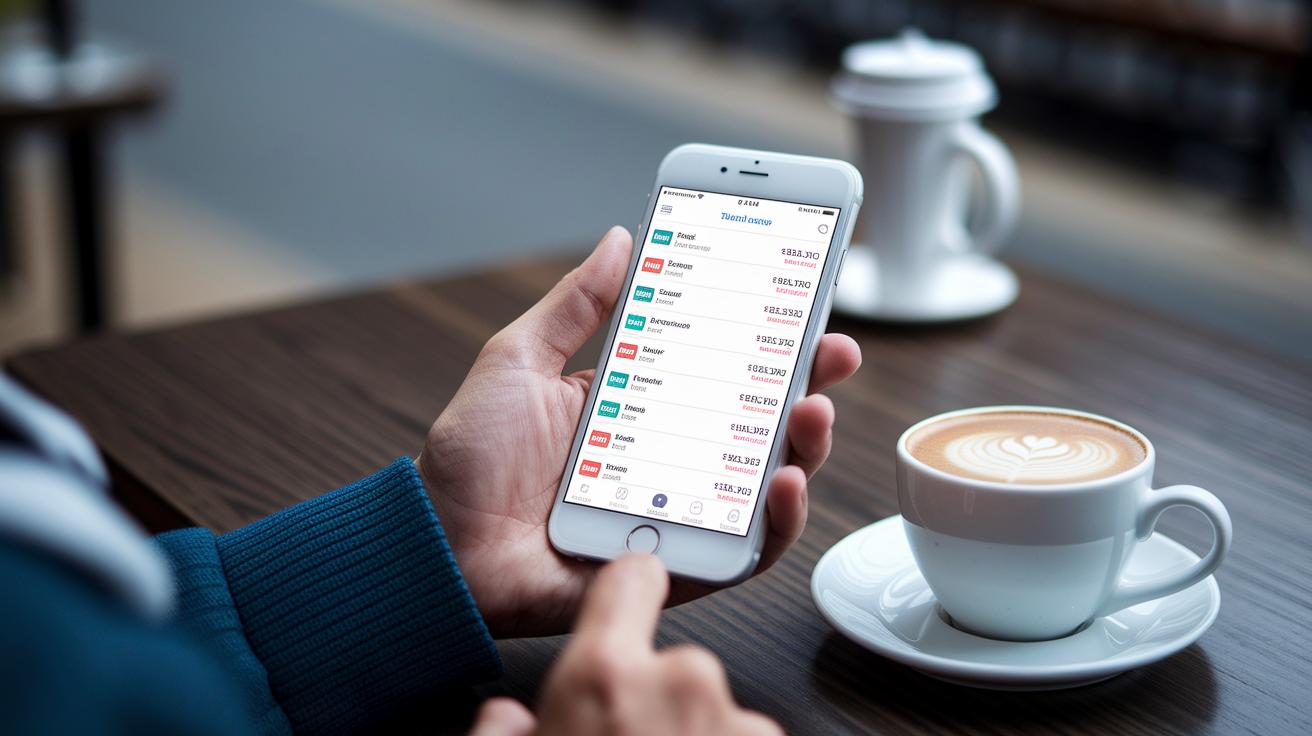
Mobile trading apps let you manage your trades wherever you are. Take Robinhood, for example. It sports a clean, minimalist design that makes placing orders feel as easy as a few swipes on your screen. You get quick entry for trades without all the extra clutter; they keep it simple so you can focus on what matters.
Fidelity Mobile steps things up by giving you control over your settings. You can customize watchlists and even view split-screen charts that work perfectly with Active Trader Pro. This means whether you’re at home or on the move, your trading experience stays smooth and connected.
Then there’s Webull Mobile, which makes a splash with its choice of dark and light themes. It lets you drag and drop orders and even offers hotkeys on its web version, making fast trade adjustments a breeze when the market heats up.
ETRADE has two options: the regular app for everyday trading and Power ETRADE for more advanced features. The standard ETRADE app gives you a straightforward layout, while Power ETRADE packs in customizable widgets and modules for those who want a more detailed toolkit. And don’t forget moomoo, with its social feed panel and one-tap order tickets, it even lets you set up dashboard widgets that work across all your devices, enhancing your workflow in a snap.
Security Measures and Regulatory Compliance in Day Trading Apps
When you're trading, keeping your account safe is just as important as having a solid strategy. Many US brokers, like Robinhood and Schwab, protect your money with SIPC coverage up to $500K. Think of it as having your funds locked away like treasures in a digital vault.
Most day trading apps also use two-factor authentication. That means after you log in with your password, you get an extra code via SMS or an authenticator app to verify it’s really you. They even use device whitelisting to let only trusted gadgets in, so you can feel confident that nothing sneaky is happening.
Your data is also given a boost of protection. Information sent over the internet is wrapped in TLS 1.2+ encryption, while stored data is locked down with AES-256, all designed to keep everything secure, just like stashing your documents in high-security safes.
Regulatory oversight is pretty tight too. US brokers follow rules set by FINRA and the SEC, while international ones like eToro stick to standards from the FCA and ESMA, and AvaTrade meets ASIC criteria. They also keep client accounts separate and offer negative balance protection, adding extra layers of safety so you can trade with a little more peace of mind.
day trading apps: Smart Solutions for Active Growth
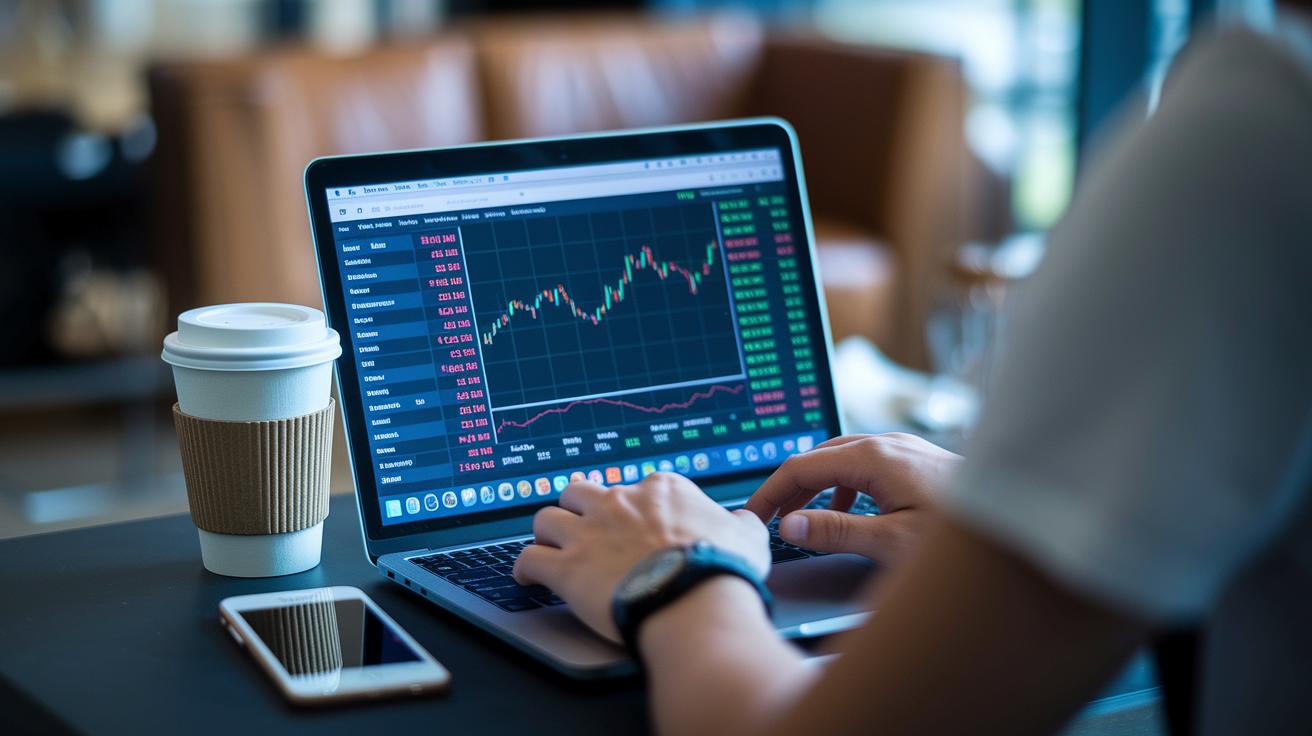
Start by trying out a free intraday simulation tool that many platforms offer. For example, Webull’s paper trading lets you feel what real market action is like. It mirrors live US market data on both mobile and desktop with a 1:1 simulated margin, so you can practice risk-free.
Next, check out thinkorswim paperMoney. It gives you full access to thinkorswim’s features with simulated cash. You can even play around with multi-leg options to see how intricate strategies perform, imagine testing an options spread without spending a cent.
Then there’s Interactive Brokers' PaperTrader. This tool is perfect if you’re curious about algorithmic tests and want to dive into historical data to understand past market trends. It’s like having your own trading lab where every experiment is safe to try.
Similarly, the TradingView demo offers a browser-based environment that supports multiple asset types. It even comes with public scripts so you can see how real-world strategies work in action.
These interactive tools are a great guide for beginners. They help smooth the journey from simulated practice to live trading, making it easier to build your skills in a friendly, controlled setting before you jump into the real markets.
day trading apps: Smart Solutions for Active Growth
For systematic traders, having smart integration tools built in can really change the game. TradeStation’s EasyLanguage lets you create your own scripts, automate your orders, and even check back on past trades. I once set up an automatic script that moved quicker than any human could type.
With IBKR API & Algo, you get FIX connectivity along with a Python/R toolkit. This tool supports fractionals and order types like TWAP and VWAP, turning complex orders into smooth, almost machine-like actions.
Tastytrade gives you a multi-leg strategy builder with conditional orders and a handy trade analytics dashboard. It’s like having an expert toolkit right at your fingertips. I even built a multi-leg order that adjusted perfectly when the market spiked.
eToro CopyTrader shows you a social signals feed, offers auto-copy settings, and includes a risk-allocation slider so you can easily follow top performers. Meanwhile, AvaTrade uses its own bots and a MetaTrader integration to let you place one-click automated orders, making it simple to react to market changes.
Together, these tools form a strong, integrated system that helps professional traders fine-tune and execute their strategies with real precision.
Selecting the Right Day Trading App Based on Your Trading Style

Picking the best day trading app means finding one that fits your personal trading habits perfectly. If you’re just starting out, you’ll love apps like Robinhood, SoFi, or the standard version of E*TRADE. They have a simple design and offer easy-to-use educational tools, kind of like having a friendly guide showing you the best parts of a menu when you walk into a store.
For technical traders who need more advanced tools, check out apps such as Webull, Schwab thinkorswim, and TradeStation. These platforms offer detailed charting, strong scanners, and handy margin tools. Imagine looking at interactive charts that help you spot trends, kind of like reading a detailed map that points out secret shortcuts.
If you're into algorithmic or high-frequency trading, look at Interactive Brokers or TradeStation. They provide direct market access and API support, ensuring lightning-fast response times. It’s like having a precision machine ready to react in real time.
Crypto fans also have their picks. Platforms like Robinhood, Webull, and eToro come with built-in crypto wallets and tight spread pricing. This setup helps you manage digital assets smoothly under EU or US regulations.
And if you’re after global market access or CFD leverage, apps like LYNX, AvaTrade, and XM are worth considering. They let you trade on several exchanges and offer a wide variety of asset classes. In short, the perfect day trading app is the one that matches your trading style with the right features and market focus.
Frequently Asked Questions About Day Trading Apps
Q1: How can I match a day trading app to my personal trading habits?
A1: The trick is to look at how often you trade, what kind of research you need, and how you manage risk. If you’re making quick moves often, choose an app that executes orders fast and gives you real-time market updates on your phone so you can act right away.
Q2: What security measures should I check before using a day trading app?
A2: Before you start, check that the app offers solid security like two-step verification, biometric logins, and instant alerts for any unusual account activity. These features add an extra layer of protection, which is especially handy during unexpected market shifts.
Q3: How do mobile research tools enhance trade decision-making?
A3: Mobile research tools bring live market data and instant alerts directly to you. For example, you could get a push notification about a sudden price change, prompting you to review or adjust your trade on the spot.
Q4: What should you consider when trading during rapid market shifts?
A4: When markets get volatile, it helps to have direct market access and real-time alerts that guide your decisions. Think about getting an immediate notification telling you whether to hold onto a trade or exit quickly during sudden market moves.
Q5: How do real-time alert systems and direct market access solutions impact your trading performance?
A5: They help cut down on delays so you can catch short-lived opportunities. For instance, if a key market indicator triggers a real-time alert, it might lead you to make a rapid trade that gives you a real competitive edge.
Final Words
In the action, we explored top day trading apps by breaking down commission setups, charting tools, and mobile interfaces. We covered everything from user-friendly design to advanced strategy tools and solid security measures. This quick rundown helps you see which platform fits your trading style. The guide offers clear insights to support your financial growth and stability while building a robust portfolio. Embrace these fresh ideas and feel confident when choosing day trading apps for your next trade. Stay positive and keep moving forward.
FAQ
What are some good day trading apps for beginners and which one should I start with?
The best day trading apps for beginners include Robinhood, Webull, and E*TRADE. They offer straightforward interfaces, zero-commission trades, and useful education, with many traders discussing these options on Reddit.
Which day trading apps offer free trades?
Many platforms such as Robinhood, Webull, and IBKR Lite offer commission-free trades for stocks, ETFs, and options. This helps reduce costs, allowing traders to focus on their strategy without worrying about extra fees.
What is TradingView and how do traders use it?
TradingView is a charting and analysis tool that provides interactive charts and technical indicators. Traders use it to spot trends, backtest strategies, and visualize market data to support informed decision-making.
What are some of the top day trading platforms available?
Top day trading platforms include Robinhood, Webull, Interactive Brokers, and E*TRADE. They’re favored for their user-friendly features, zero commissions, and robust tools, making them popular choices among active traders.
Can you make $1000 a day with day trading?
Earning $1000 daily through day trading depends on many factors like market conditions, strategy, and capital size. While some traders do, most see varying income, and consistent high profits require advanced skills and significant risk management.
Can you make $50 a day through day trading?
Achieving $50 a day in day trading is possible with disciplined strategy and effective risk management. However, returns vary, and daily profits depend largely on market trends, capital, and the trader’s skill level.
Is it feasible to start day trading with only $100?
Starting with $100 can be challenging because lower capital limits trade size and profit potential. Additionally, some platforms might have minimum requirements, making it harder to build consistent returns with such a small account.
What do Reddit discussions reveal about day trading apps?
Reddit communities often highlight both the benefits and drawbacks of various day trading apps. Users praise intuitive designs and fee-free trades, while some point out limitations in advanced tools, offering real-world insights into each platform.