
Ever wonder if carrying cash is holding you back? Digital payments make buying things super fast and safe. Today, over 90% of shoppers use electronic methods, and digital wallets are growing every day.
Companies now use simple tools like NFC (which lets your phone pay quickly by tapping) and APIs (software helpers that make different systems work together) to save both time and money.
In short, digital payments are changing our daily money habits. They turn routine transactions into smooth, secure experiences that help keep our finances on track.
Digital Payments Technology Elevates Payment Efficiency
Digital payments technology makes sending money simple and quick. Instead of dealing with physical cash or writing checks, funds move electronically using secure tools, encryption, and API connections that link banks, merchants, and other financial services. More than 90% of American shoppers used these digital methods last year, and in-app transactions now account for 60% of market activity. This shows companies are constantly fine-tuning the system for both mobile buying and regular store transactions. In fact, digital wallet use jumped from 19% in 2019 to 28% in 2024, highlighting a real change in what customers expect.
- Speed: Transfers happen fast, nearly in an instant.
- Convenience: You can leave your cash and checks at home.
- Security: Solid encryption and verification keep your data safe.
- Cost Reduction: Lower fees make each transaction more affordable.
- Data Insights: Businesses get clear insights into customer habits to fine-tune their services.
These benefits are driving widespread use in stores, online shopping, and even peer-to-peer payments. Retailers boost their modern image and streamline operations with digital payments, while e-commerce sites enjoy smoother checkouts that make shopping easier and more enjoyable. Even day-to-day money exchanges are more secure and user-friendly, proving that digital payments are now a vital part of our financial lives.
Core Digital Payments Technologies: NFC, Blockchain, APIs & AI
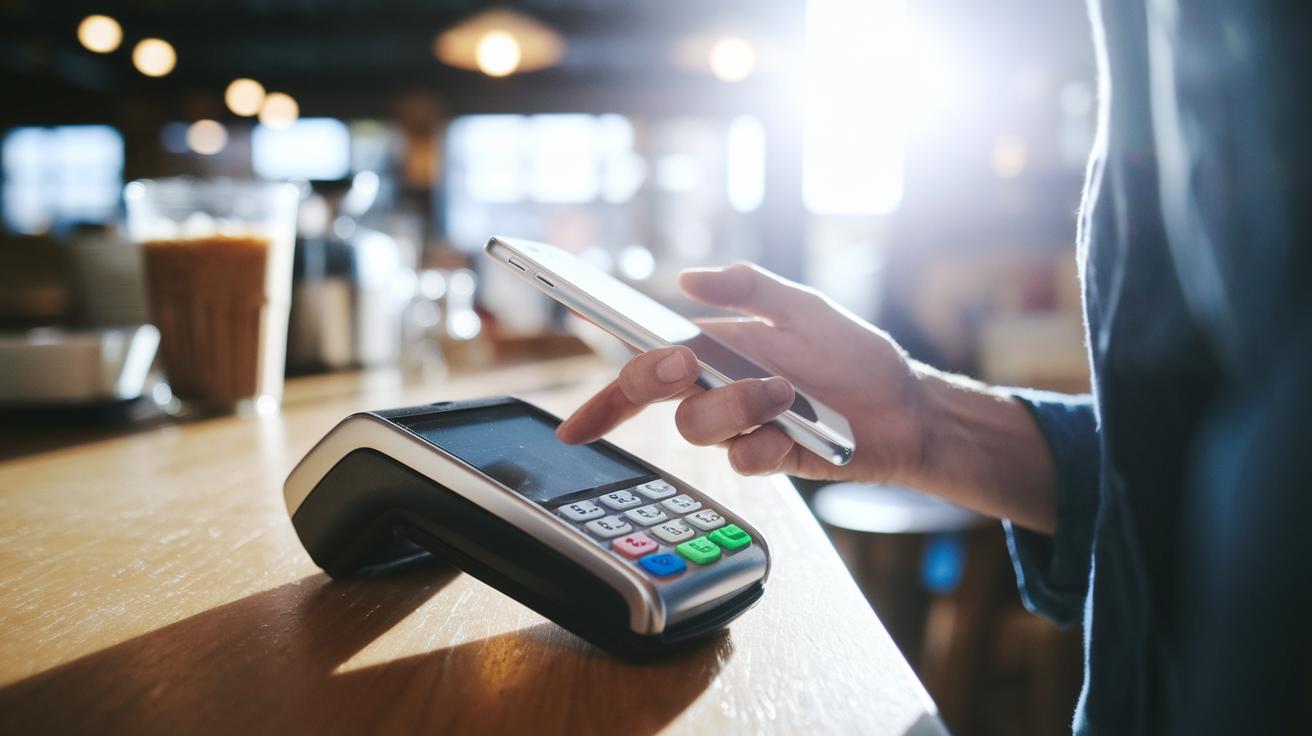
Digital payments mix a few key tools so transactions are faster, safer, and easier for everyone. These tech upgrades let you tap your phone to pay while keeping costs down and clear records up front. By mixing trusted methods with new ideas, digital payments give you a smooth and simple financial experience.
NFC Contactless Payments: Function and adoption
NFC, which stands for Near Field Communication, lets devices like smartphones or wearables share payment info when they're close to a terminal. Think of using Apple Pay to quickly buy a coffee or grab groceries with just a tap. It’s loved because it speeds up checkouts and reduces the need for physical contact.
Magnetic Secure Transmission: Compatibility benefits
Magnetic Secure Transmission, or MST, works by mimicking the swipe of a traditional card. This means your digital wallet can work with older magnetic stripe readers with ease. It’s like having a bridge that connects the latest digital method with those classic systems.
Blockchain Networks: Cost savings and transparency
Blockchain uses a unique system called a decentralized ledger, which means everyone can see and trust the record of transactions. By skipping the middleman, fees drop from around 7–10% down to between 0.5–1%. This not only saves money but also builds confidence with clear, unchangeable transaction records.
AI & Machine Learning: Data-driven insights and anomaly detection
Artificial intelligence dives into huge amounts of payment data to spot unusual trends right away. It’s great for detecting potential fraud. Plus, machine learning, which gets smarter with time, keeps enhancing security and boosts customer trust with its reliable insights.
API Integrations: Enabling ecosystem interoperability
APIs, short for Application Programming Interfaces, connect banks, payment gateways, merchants, and third-party platforms. This real-time data swap helps systems work together seamlessly, creating a well-connected digital payment world.
| Technology | Function | Key Benefit |
|---|---|---|
| NFC | Contactless data exchange | Speed & convenience |
| MST | Magnetic-stripe emulation | Reader compatibility |
| Blockchain | Decentralized ledger | Lower fees |
| AI/ML | Real-time analytics | Fraud detection |
| APIs | System connectivity | Seamless integration |
Security and Fraud Prevention in Digital Payments Technology
AI-powered fraud detection acts like a vigilant guard, sifting through loads of transaction data in real time to spot anything out of the ordinary. It’s a bit like having a sensor that picks up on unexpected surges in high-value payments, prompting a quick check to rule out fraud.
Biometric checks add an extra layer of safety by verifying who you are using things like fingerprint and facial recognition. Imagine it as your unique signature on every transaction, making it much tougher for impostors to slip by unnoticed.
Encryption wraps each transaction in a secure digital envelope, keeping your data safe whether it’s moving or stored. Plus, automated logs keep a detailed, unchangeable record of every step in the process, much like a trusted ledger you can count on to confirm every move whenever needed.
Innovations and Emerging Trends in Digital Payments Technology
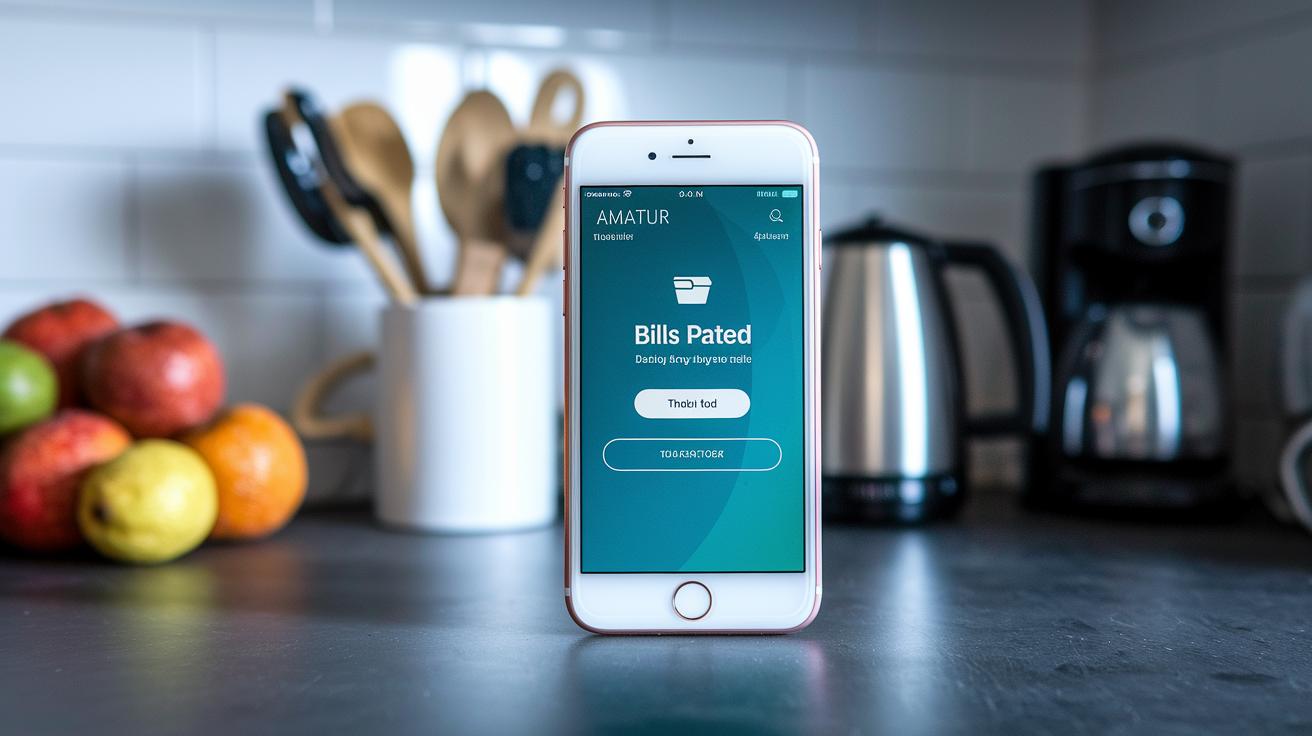
Real-time payments let you transfer funds instantly, any time of day, so you never miss paying an important bill. Imagine settling a utility bill at midnight and getting immediate confirmation, that’s the kind of speed today's market demands.
Digital wallets aren’t just holding your cards anymore; they’ve become all-in-one financial hubs. They can store your credit and debit cards, loyalty programs, coupons, and even IDs in one handy app. This means no more cluttered pockets or overloaded purses, just tap your phone at the register and you’re good to go.
Cryptocurrencies are also joining the party, changing how we think about moving money. These digital coins, created through algorithmic mining, operate outside traditional banks, letting you send money globally without the usual fees or delays. Think of it as bypassing the slow lane on international transfers.
Buy Now, Pay Later services are another trend making a big splash. They break up larger payments into interest-free installments, making it easier on your budget while boosting sales for merchants. Picture buying your favorite gadget today and paying over several months, it’s all about blending affordability with convenience.
Regulatory Compliance and Standards for Digital Payments Technology
Global payment rules, like ISO 20022, help keep cross-border transactions running smoothly. Imagine it as a shared language that banks and payment processors use to talk to each other, which makes moving money between countries much easier.
Data protection rules are just as essential. Things like Know Your Customer (KYC) and Anti-Money Laundering (AML) make sure each person is who they say they are and keep a close watch on money movements. This builds trust because it protects sensitive information and stops shady business. Think of these rules as a safety net that catches any bad deals before they happen.
Then there are automated audit trails and system standards that help everyone stay on track. An audit trail is like a digital diary of every transaction that regulators can check at any time. Meanwhile, consistent system standards ensure every payment process part meets the same expectations. Together, these tools keep the digital payment world transparent and dependable.
Future Outlook and Use Cases of Digital Payments Technology

Everyday gadgets like wearables and smart appliances are now getting payments built right in. Imagine your smart fridge that quietly orders groceries when supplies look low or that fitness tracker that pays for your gym time as soon as you step in. This means you no longer have to fumble between apps or websites; you simply enjoy a smooth, automatic payment process that makes your life easier.
Cross-border payments are also getting a big upgrade. Today’s digital remittance tools let money zip across countries fast, usually with fewer delays and lower fees. Think of a freelancer getting paid from overseas almost instantly, with clear tracking every step of the way. It’s a game changer that makes global trading and personal remittances simpler for everyone.
We’re also seeing cool tech like AI, blockchain, mobile, and open banking coming together to reshape how payments work. This mix not only speeds up transactions but also tightens security and improves customer experiences. It’s like watching the pulse of the market get stronger, pushing forward trends in decentralized networks and virtual currencies and creating a smarter, more connected payment system across the globe.
Final Words
In the action, the blog took you through how digital payments technology reshapes transactions. It highlighted key methods and infrastructure, from NFC and blockchain to AI and APIs, and reviewed security layers like encryption and biometric checks.
The post also explored market trends, real-time remittance, and smart payment solutions. These insights help both newcomers and seasoned experts see the benefits of faster, secure, and more efficient transactions powered by digital payments technology. Let's step forward with confidence and a clear view of the future.
FAQ
What is a digital payment?
The digital payment means transferring funds electronically, removing the need for cash or checks. It offers fast, secure, and convenient ways to pay in stores, online, or between peers.
What are examples of digital payments?
The examples include NFC contactless payments like Apple Pay, digital wallets, blockchain-based transfers, mobile banking, and online payment methods—all designed for secure, speedy transactions.
What are the technologies for digital payments?
The technologies for digital payments encompass NFC for tap transactions, magnetic stripe emulation for older readers, blockchain for cost-effective transfers, AI for fraud checks, and APIs for seamless integration.
What are the 5 types of electronic payment systems?
The five types include contactless systems (NFC), magnetic secure transmission methods, blockchain networks, AI-driven processing for security, and API-based integrations that connect different payment services.
What digital payment methods and solutions are available?
The digital payment methods cover mobile apps, online banking, in-app purchases, and digital wallets. These solutions, provided by leading companies, create streamlined transaction experiences.
Which companies lead in digital payments technology?
Digital payments technology companies like Apple, Google, PayPal, and Square are prominent. They deliver innovative mobile apps and secure platforms that simplify electronic transactions for users.
Where can I find a digital payment system PDF?
A digital payment system PDF is usually a detailed guide outlining the structure, benefits, and methods behind digital transactions, serving as a clear reference for understanding these secure financial tools.