
Ever thought a tiny trade could suddenly cost you a lot? Options trading lets you control many shares with just a little money, but it comes with risks that can add up fast. A wrong move, a rushed decision or an unexpected market change, can lead to bigger losses than you planned.
In this guide, we'll chat about the main risks of options trading and share simple tips to help you keep calm when things get bumpy. Stick around to learn how to handle surprises and make more confident trades.
Identifying Key Options Trading Risks
Options trading lets you control a big amount of stock with a small amount of money. When you buy an option, you only risk the premium you paid. But when you sell options, losses can quickly grow larger than you expected if the market takes a wrong turn. Imagine setting up a trade with safe limits, then watching sudden swings and market surprises boost your losses – that's the real sting of these risks.
The challenges in options trading come from many factors working together. Think of time decay slowly eating away at an option's value and the market's unpredictability that can flip numbers in an instant. Even a small error in judging risk can turn into a big setback.
- Leverage that boosts both gains and losses
- Unlimited loss potential for sellers without coverage
- Faster time decay as expiration nears
- Market volatility that leads to big profit and loss changes
- The risk of early assignment without warning
- Liquidity issues and wide bid-ask spreads
- Complex payoffs that might lead to mispricing
- Some counterparty risk still exists
In short, options might seem appealing because they can bring in big returns, but they come with a serious risk load. The mix of leverage, time decay, and market swings means even a tiny mistake could lead to losses far beyond your initial spend. Good risk management is a must if you're diving into these high-stakes trades.
Detailed Breakdown of Options Trading Risk Factors

Options trading is full of excitement and uncertainty. When you dive in, key elements like the Greeks and liquidity really shape both your potential gains and hidden pitfalls. Traders often rely on main Greeks like Theta, Vega, and Gamma to gauge how an option’s price might move as time passes or when market conditions suddenly change. Theta reveals how quickly your premium fades as an option nears its expiration. This decline can be brutal on short-duration contracts. Vega, on the other hand, shows how much the option’s price may bounce with shifts in market volatility, think of it like riding a roller coaster. Gamma measures how rapidly Delta changes, intensifying those swings when options are deeply in or out of the money. And then there’s liquidity: low trading volumes can widen the gap between buying and selling prices, meaning you might end up with a less favorable rate than you expected.
| Risk Factor | Description | Impact Level |
|---|---|---|
| Theta (Time Decay) | Option premiums can erode quickly, especially on short-term contracts. | High |
| Vega (Volatility Sensitivity) | Option values can bounce dramatically with shifting market volatility. | Moderate |
| Gamma (Delta Change Rate) | Intensifies price movements when options are far in or out of the money. | High |
| Liquidity Constraints | Low trading volumes widen bid-ask spreads and can cause slippage. | Moderate |
| Rapid Market Movements | Swift market shifts can trigger margin calls and steep losses. | High |
When the market gets rocky, these factors really come into play. Theta’s rapid decline in premium, combined with sudden bursts of volatility and liquidity issues, can quickly overwhelm even a seasoned trader. Understanding how each element contributes to the overall risk profile is crucial for staying confident in your trades and tweaking strategies as conditions change.
Comparing Options Trading Risks With Other Securities
Options trading means you only risk the premium you pay. Even with a small bet, a market move can lead to a big profit jump. Imagine buying a ticket: if your team loses, you only lose the ticket price, but a win can give you a big payoff.
Stocks work a bit differently. When you buy shares, every drop in the share price affects your entire investment. With stocks, each dip directly cuts into your money. But with options, your worst loss is limited to that initial premium you paid.
Futures, on the other hand, expose you to almost every price swing, sometimes even leading to sudden margin calls. Think of trading futures like riding a seesaw where every little shift counts. Options, however, act more like a spring, you risk a small premium and can gain if the market trends in your favor.
Options Trading Risks: Confident Trades Ahead

Managing risk well is the secret sauce for successful options trading. Before you jump in, set clear limits and use time-tested methods to keep your money safe. For example, if you only risk a small percentage of your account on any single trade, a bad day won't wipe you out. Options can be unpredictable with fast changes and time decay, so staying flexible and ready to adjust your plan is key. This smart approach can give you the confidence to trade, even when the market feels like it’s moving a million miles an hour.
Position Sizing
Stick to risking just 1–2% of your total funds on each trade. So if you have $10,000, you’d only risk about $100–$200 on a deal. This way, one bad trade won’t hurt your overall balance too much.
Diversification Across Strategies
Mix up your trades by using different strike prices, expiration dates, and even various underlying assets. In simple terms, don’t put all your eggs in one basket. If one part of your trade suffers, your whole account won’t take the hit.
Stop-Loss and Profit Targets
Set up stop-loss orders and decide on profit targets ahead of time. These simple rules help you exit a trade when things go south or lock in gains when the market moves in your favor. It’s like having a safety net that keeps emotions out of the picture.
Hedging Mechanisms
Sometimes, using offsetting trades can help balance out losses. Think of hedging as a backup shield that reduces downside risk if your main trade isn’t playing out as you hoped.
Continuous Monitoring
Keep a close eye on real-time data and review your portfolio regularly. Markets can shift quickly, and staying on top of changes means you can adjust your strategies before a small problem becomes a big one.
Together, these steps, position sizing, diversification, stop-loss and profit targets, hedging, and continuous monitoring, create a strong framework for options trading. They not only limit potential losses but also help you stay steady and confident when the market throws unexpected twists your way.
Options Trading Risks: Confident Trades Ahead
Imagine a trader expecting a calm market and writing uncovered calls on a popular stock, only for an unexpected rally to send the stock’s price soaring well past the strike price. The losses piled up quickly, far beyond the premium received, and ignoring proper position sizing made the damage even worse. It’s a clear reminder that even a small slip in risk control can turn a trade into a huge liability.
In another instance, an investor grabbed short-term options, hoping to make a fast profit. As the expiration date crept closer, time decay started eating away at the option's value. Even when it was clear that the trade was losing steam, the investor held on, driven by loss aversion and the faint hope of a rebound. Unfortunately, this emotional attachment only deepened the loss until the entire premium was wiped out.
Both scenarios teach us important lessons about options trading. The uncovered call saga shows that not paying attention to market conditions and position sizing can lead to serious financial trouble. Similarly, clinging to a losing position out of emotional bias only magnifies risk. In short, a disciplined approach to risk management and a keen eye on market signals are essential to steer clear of these costly pitfalls.
Tools and Methodologies for Options Trading Risk Assessment
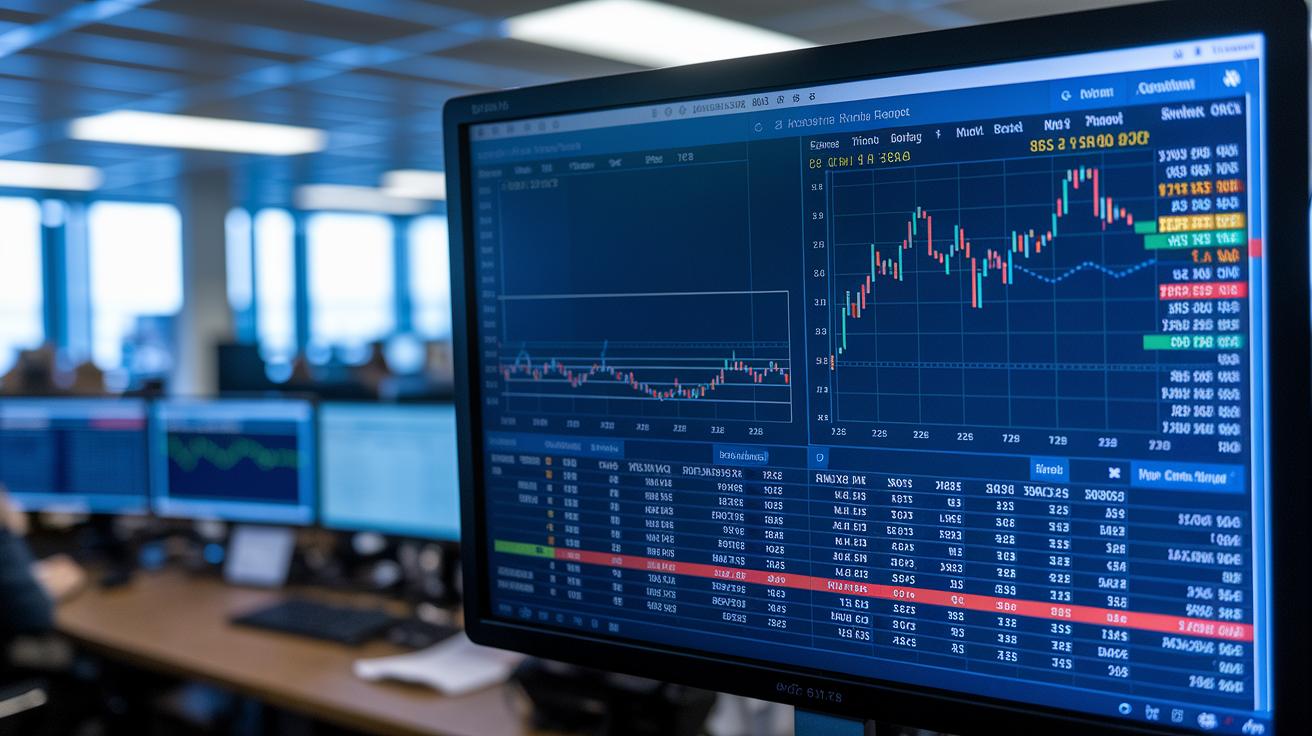
When you're diving into options trading, risk calculators and analytics platforms become your best buddies. They crunch essential numbers like Greeks, a term that helps explain how an option's value might shift, and run through profit-and-loss scenarios. Imagine it like getting a sneak peek at how fast an option's premium might shrink or how prices might react if the market takes a twist.
Monte Carlo simulations and stress-testing are two favorite tactics among traders. Monte Carlo models run through tons of possible market paths, giving you a clear idea of potential losses by showing different statistical outcomes. And then there's stress-testing, where you throw dramatic market changes at your portfolio to see if your positions can stand up to a wild ride.
Real-time risk dashboards round everything out by tracking things like margin needs, exposure limits, and shifts in volatility throughout the day. By keeping you in the loop with fresh insights, these dashboards let you adjust your strategy on the fly. All these tools work together to give you a solid system for managing the uncertainties of options trading.
Final Words
In the action, the overview detailed key aspects of options trading risks, from the loss potential for uncovered sellers to the impact of time decay and market volatility. It explored strategic measures like diversification, position sizing, and hedging to help manage these challenges. The case studies, risk assessment tools, and comparison with other securities provided a clear picture of how these factors interact under stress. Understanding options trading risks can drive informed decisions that foster financial growth and stability.
FAQ
What do discussions about options trading risks on Reddit indicate?
The discussions about options trading risks on Reddit showcase real traders sharing their experiences with issues like time decay and volatility, emphasizing the need for careful risk management when trading options.
How do the disadvantages of options trading affect traders and why is it considered risky?
The disadvantages of options trading affect traders by exposing them to challenges like rapid time decay, volatility swings, and potential unlimited losses for sellers, which makes the trade riskier if mismanaged.
What insights do PDFs on options trading risks and risk management strategies provide?
The PDFs on options trading risks and risk management strategies offer detailed explanations of hazards like leverage and liquidity issues, along with methods such as diversification and stop-loss orders to help manage those risks.
How do the advantages and disadvantages of options trading balance out?
The advantages and disadvantages of options trading balance by letting buyers limit loss to premiums while offering high leverage, yet posing risks like rapid value decay and volatility that require careful strategy and management.
What benefits does options trading offer compared to other strategies?
The benefits of options trading include the ability to hedge against market movements, leverage positions for potential higher returns, and limit losses for buyers, provided proper risk management practices are followed.
What is meant by “the following risks are associated with trading options except for” when discussing exceptions?
The phrase suggests that almost every listed risk, such as volatility swings and leverage, applies to options trading, so it’s important for traders to review comprehensive risk guides to identify any potential exceptions.
How does an options risk management calculator help traders?
An options risk management calculator helps traders estimate potential losses and understand the impact of factors like time decay and volatility, aiding them in making more informed decisions to protect their investments.
What does the 2% rule in trading mean for risk management?
The 2% rule in trading means that you should risk no more than 2% of your account on a single trade, protecting your capital from large losses and helping maintain long-term trading stability.
How is the possibility of losing money in options trading explained?
The possibility of losing money in options trading is explained by the fact that while buyers only risk their premium, option sellers can face losses that exceed their initial investment if market movements are unfavorable.
Why do many traders struggle and sometimes fail at options trading?
Many traders struggle in options trading due to poor risk management, misunderstanding factors like time decay and volatility, and neglecting key strategies such as diversification and effective exit planning.