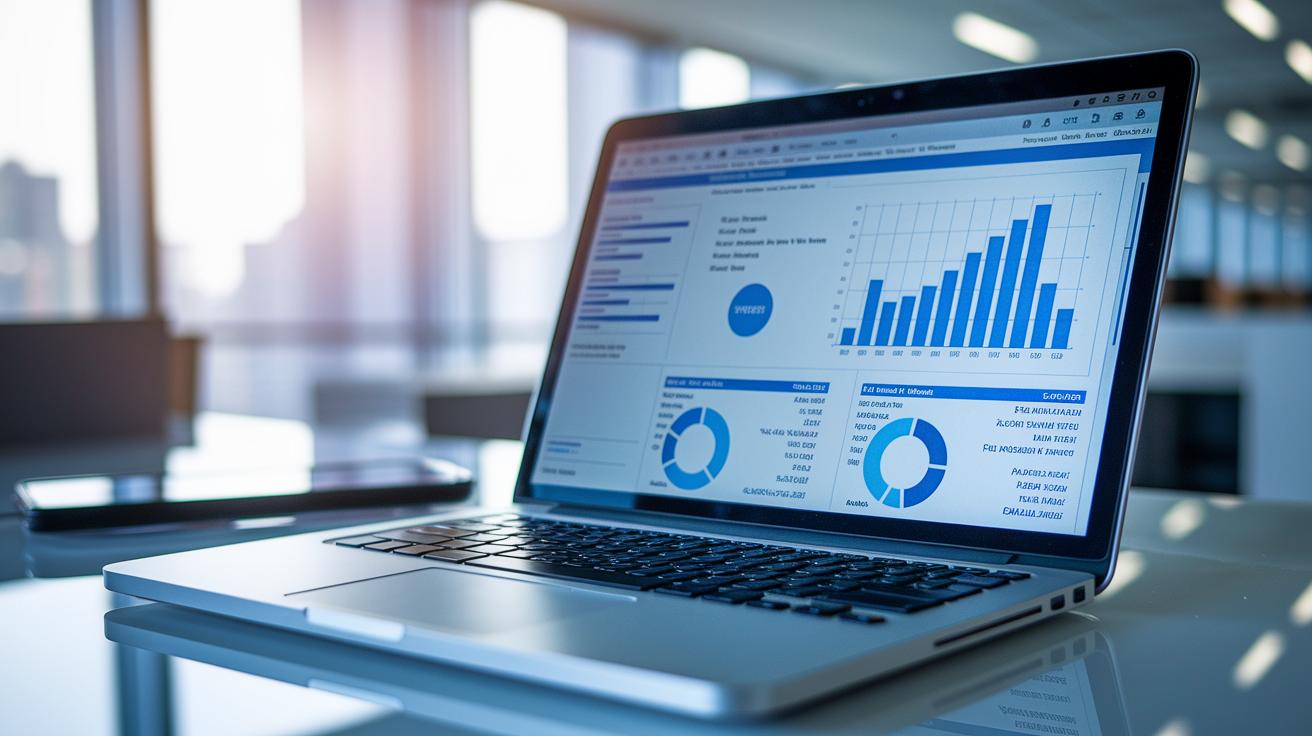
Ever thought about whether your investment mix is really working for you? A portfolio analysis tool is like that trusted buddy who checks your numbers, makes sure your risk is balanced, and lets you know when things aren’t lining up.
Imagine it working like a smart thermostat that automatically adjusts your home’s temperature. With this tool, complicated stats turn into clear, confident steps for smarter investing.
Get ready to see your financial health in a whole new light.
Portfolio Analysis Tools: Top Software for Performance, Risk, and Diversification

Empower is a solid choice if you're looking for a free Personal Dashboard that pulls together data from your bank, brokerage, retirement, and crypto accounts into one clear view. Its Investment Checkup gives you a heads-up on areas where your current mix may be too heavy or too light and suggests smart adjustments compared to the S&P 500. Imagine a dashboard that gently nudges you when one part of your portfolio is out of balance, so you can make changes before the market shifts.
SigFig makes things simple by automatically syncing your brokerage and retirement accounts. It reinvests your dividends and rebalances your portfolio based on the risk you’re comfortable with. Plus, it manages the first $10,000 for free and charges just 0.25% for amounts above that. Think of it like a smart thermostat that keeps your investment mix just right, adjusting on its own so you don’t have to worry.
Mint ties together portfolio tracking with budgeting and credit-score monitoring. It syncs your bank accounts, credit cards, and retirement info to give you a full-picture view of your finances. Although you’ll see a few ads along the way, Mint is free and does a great job of keeping an eye on how well your investments are performing, the risks involved, and how diversified your portfolio is.
Each of these tools mixes performance evaluations, risk management, and strategies for keeping your investments spread out. In short, your best pick depends on your investing style, whether you enjoy a DIY approach or you’d like a little more guidance with a full wealth management service. They all help you get the insights you need to make smart investing decisions.
Portfolio analysis tool sparks savvy investing decisions

A good portfolio tool mixes risk management with solid backtesting. For instance, Portfolio Visualizer offers Monte Carlo simulations (a method to test various outcomes) and backtesting features that help DIY investors plan for retirement or college funds, all for just $19 a month. Think of it like a chef adjusting a recipe; small changes now can lead to exciting rewards later.
Empower’s Investment Checkup shows you when parts of your portfolio are too heavy or too light. Its Smart Weighting tips work like a financial coach, offering clear advice for testing different risk scenarios. It’s a bit like a pilot tweaking the controls before takeoff, giving you the confidence to steer your investments safely.
SigFig and Morningstar Portfolio Manager add extra support by keeping your portfolio balanced. SigFig automatically adjusts your investments to match your comfort with risk, while Morningstar’s X-Ray charts break down your holdings into stocks, ETFs, and mutual funds. This clear view helps you understand how diversified you are compared to standard benchmarks.
By mixing these features, sector checks, backtesting, rebalancing alerts, and stress tests, you’re well equipped to make smart, clear, and controlled investment decisions.
Comparing Popular Portfolio Analysis Tools

When you're deciding on a portfolio analysis tool, it helps to weigh up each option's features, costs, and ease-of-use. For instance, Kubera connects with banks, brokerages, and crypto wallets, which is great if you have a mix of accounts. But if you're always on the move, the lack of a mobile app might slow you down.
Empower catches your eye with its colorful mosaic plot that breaks down asset classes into easy-to-understand segments like domestic, international, stocks, and bonds. Its Smart Weighting tool even gives you tips on balancing your portfolio. Still, if your account is on the smaller side, the extra outreach for larger portfolios might feel a bit too much.
Portfolio Visualizer is ideal for DIY investors who enjoy running Monte Carlo simulations and backtesting their plans. For $19 a month, you can import, save, and export your portfolios and experiment with different investment scenarios.
In comparison, Morningstar Portfolio Manager gives you a quick asset-allocation snapshot via its X-Ray charts for stocks, ETFs, and mutual funds. The catch? You'll need to manually enter your portfolio details.
SigFig makes managing your portfolio a breeze by automatically syncing your brokerage and retirement accounts. It even reinvests dividends and rebalances based on your risk tolerance. You get free service up to $10,000, with a low fee afterward. Meanwhile, Mint pairs portfolio tracking with budgeting and credit-score monitoring to give you a full picture of your finances, though you might notice a few in-app ads.
Below is a quick table that compares these tools side by side:
| Tool | Key Features | Pricing | Platforms | Limitations | ||||||||||||||||||||||||||||||||||||||||||||||||||||||
|---|---|---|---|---|---|---|---|---|---|---|---|---|---|---|---|---|---|---|---|---|---|---|---|---|---|---|---|---|---|---|---|---|---|---|---|---|---|---|---|---|---|---|---|---|---|---|---|---|---|---|---|---|---|---|---|---|---|---|
| Kubera | Connects to banks, brokerages, crypto wallets | Free | Web, Desktop | No mobile app | ||||||||||||||||||||||||||||||||||||||||||||||||||||||
| Empower | Mosaic plot, Smart Weighting, sector analysis | Free | Web, Desktop, Mobile | Phone outreach for $100K or more | ||||||||||||||||||||||||||||||||||||||||||||||||||||||
| Portfolio Visualizer | Monte Carlo simulations, Backtesting | $19/month | Web | Subscription needed for advanced features | ||||||||||||||||||||||||||||||||||||||||||||||||||||||
| Morningstar Portfolio Manager | X-Ray asset allocation charts | Free | Web, Desktop | Manual entry only | ||||||||||||||||||||||||||||||||||||||||||||||||||||||
| SigFig | Auto sync, dividend reinvestment, rebalancing, advisor consultations | Free up to $10K; 0.25% fee after | Web, Mobile | Threshold limits on free
Pricing and Value of Portfolio Analysis Tools
Empower, Mint, and Morningstar let you start tracking your investments at no cost. They are ideal if you're comfortable entering your data manually, almost like having a friendly budget helper that gives you key insights for free. SigFig begins as a free service and later introduces a modest fee as your account balance grows. This is perfect for beginners who want to keep costs low at the start, with the charge only coming in when you've built up your portfolio a bit. Portfolio Visualizer operates on a subscription, unlocking extra features like importing/exporting your data and running historical backtests. Think of it as a tool that lets you simulate different strategies, giving a detailed picture of potential returns for a small monthly fee.
This overview connects pricing to real user experiences, whether you lean towards cost-free simplicity or value advanced analytical tools. Integrating a Portfolio Analysis Tool into Your Investment Workflow
SeqFig transforms the way you manage your investments by automatically updating your account information in real time. It supports multiple currencies, provides API access, and sends mobile notifications. These features give you a clear advantage over other tools that depend on manual data entry or simple account linking.
*Kubera might support multi-currency reporting in certain cases. Key features that streamline your workflow include:
Before real-time sync became common, investors had to update their portfolios by hand. This meant delays and missed opportunities when market shifts occurred. Case Studies: Real-World Applications of Portfolio Analysis Tools
DIY investors, whether planning a peaceful retirement or setting aside funds for college, often lean on Portfolio Visualizer. This tool uses Monte Carlo simulations (think of them as digital forecasts) to test different economic scenarios, so you can see how your investment choices might play out over time. For instance, a student might run a simulation to check if their college fund plan keeps pace with rising tuition fees. High-net-worth investors often turn to Empower’s Wealth Management service. This approach builds diversified portfolios spanning six types of assets for accounts ranging from $100K to $1M. Imagine getting an annual review that fine-tunes your mix of domestic stocks, international investments, bonds, and more, all managed for one clear fee of 0.89%. For those with clear savings goals, Mint is a go-to solution. It combines budgeting with investment tracking, ensuring you hit your savings targets while keeping an eye on your portfolio’s performance. The simple design can be a real comfort when balancing everyday spending with future plans. And if you prefer a hands-off investing style, SigFig might be just the ticket. With automated rebalancing and free advisor checkups now and then, it makes it easy to stay on track without needing to micromanage every detail. User Feedback and Choosing the Right Portfolio Analysis Tool
Investors often share their own experiences to help you pick the right portfolio analysis tool. Some people like platforms that require you to enter data manually. These tools give you deep, hands-on control, think of it as having your own personal audit tool where you decide when and how to track things like risk-adjusted returns and sector exposure. On the other hand, some folks go for automated services. These set-ups connect to your accounts automatically and even use robo-advice to handle the heavy lifting for you. It’s a more relaxed approach, perfect if you’d rather let the system do the work while you focus on the bigger picture. No matter your style, there are a few basics to check when choosing a tool. Look at how well it links with your other accounts, if it plays nice with your devices, and whether the cost fits your budget. It’s a bit like comparing smartphones, everyone’s needs are different. Some investors rave about a performance dashboard that sends regular updates, while others prefer a strategy tester that shows how changes might boost future returns. Here’s a quick rundown of what to consider:
So, when you’re choosing a portfolio tool, take a moment to think about what fits your way of investing best. It’s all about finding that perfect match to help you feel confident every step along your financial journey. Final WordsIn the action, our guide brought together several portfolio analysis tools that offer clear performance tracking, risk checks, and diversification insights. We compared top platforms, highlighting their smart dashboards, auto-sync features, and easy-to-understand risk metrics. These insights help you choose a portfolio analysis tool that fits your needs and supports your financial growth. Keep exploring these options and take confident, measured steps toward a more robust and balanced investment strategy. FAQWhat does a free portfolio analysis and building tool offer?A free portfolio analysis and building tool gives investors a no-fee way to review investments by tracking performance, risk, and diversification. It helps you build and monitor a portfolio using live market data. How do online portfolio analysis tools work as portfolio trackers?Online portfolio analysis tools bring together your investment data, sync your accounts, and display real-time performance. They let you evaluate asset allocation and adjust strategies to match your risk tolerance and goals. Which features define the best portfolio analysis tool?The best portfolio analysis tool combines performance metrics, risk evaluation, and diversification strategies. It often includes backtesting simulations and automatic rebalancing to guide smart investment decisions. How does the Fidelity portfolio analysis tool operate for investors?The Fidelity portfolio analysis tool integrates your investment data to review allocation, evaluate risk, and monitor performance. It provides detailed insights that help you make informed planning and adjustment decisions. What capabilities does Portfolio Visualizer’s backtest module provide?Portfolio Visualizer’s backtest module offers simulations of historical performance and stress tests. It enables you to see how investment strategies would have performed under different market conditions. Related articles |