
Ever thought there might be a way to get into the market without buying an entire stock? A call option is like your shortcut ticket, it lets you lock in the chance to buy a stock at one fixed price.
You only pay a small fee upfront. Then, if the stock price climbs, you get to share in the gains. It’s a neat trick that lets you benefit from the market’s ups without tying up a lot of cash.
Our guide explains everything in easy-to-understand steps, showing you how this simple tool mixes opportunity with smart planning for your trades.
Definition and Basics of a Call Option
Imagine a call option as a simple agreement that gives you the right to buy an asset at a set price within a certain period, but you don’t have to if you change your mind. You pay a fee called a premium upfront, and that fee is all you risk losing if things don’t go as planned.
This agreement is considered a financial derivative because its value depends on the ups and downs of the asset it’s based on, like a stock. When the asset’s price rises well above the agreed price by more than the premium you paid, the call option can make you a nice profit, kind of like snagging a deal that turns out to be way better than you expected.
Call options are a key tool in trading, letting investors bet on rising prices while keeping their losses limited to the premium paid. This approach lets you tap into potential gains without exposing you to huge risks, which is a smart way to balance opportunity with caution.
what is a call option: Smart Trading Concept
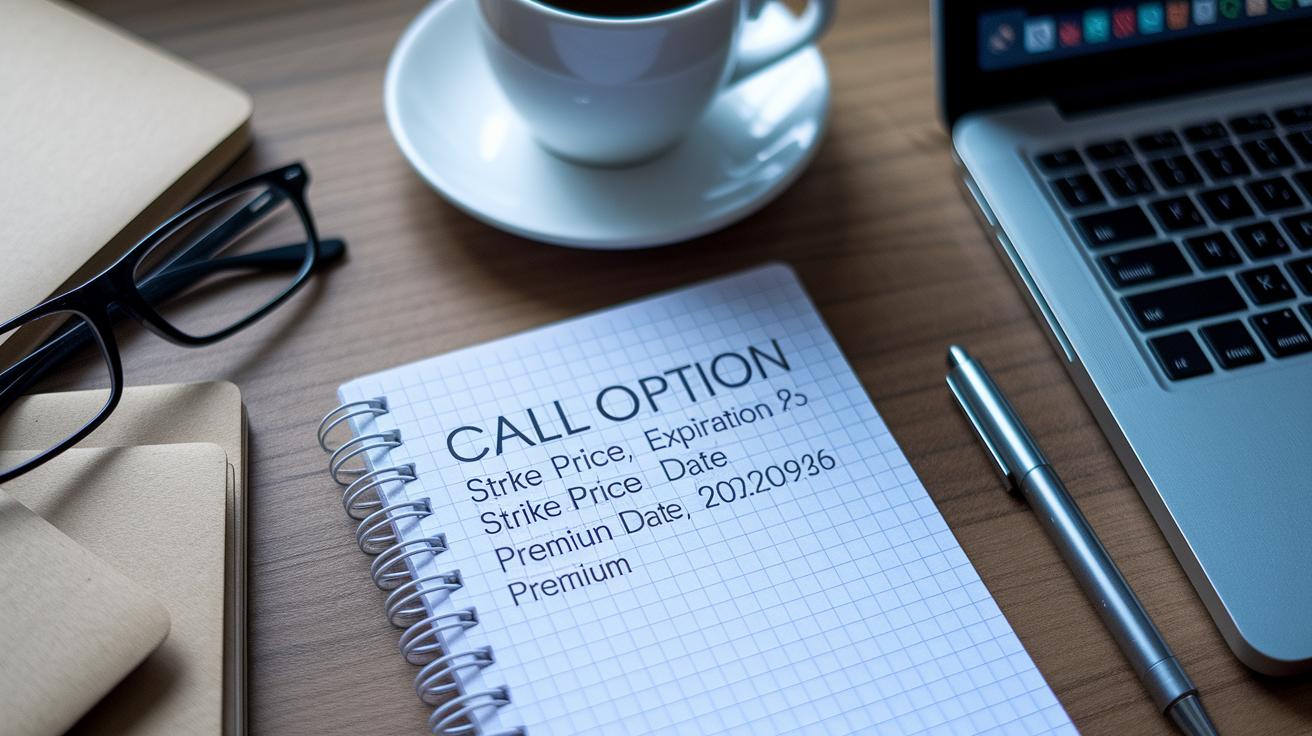
A call option is like a deal with four main parts that set everything in motion. There’s the underlying asset (the security you’re interested in), the strike price (the set price you’d pay), the expiration date (when your choice runs out), and the premium (the cost you pay upfront, which is also the most you can lose).
Imagine it like this:
- Underlying asset: What you’re actually buying.
- Strike price: The agreed price you’d pay.
- Expiration date: When your decision has to be made.
- Premium: Your ticket price, risk capped at this amount.
Market moods can change things really fast. Volatility, basically how wild market swings are, can bump up the cost of your call option. Think of volatility as the market’s heartbeat. And as time runs out, the option loses some of its extra value, a bit like when the clock is ticking down at a race.
Take a popular tech stock as an example. If it’s known to swing a lot, a call option on it costs more because there’s a big chance for dramatic price moves. But as the expiration date gets closer, that cost slowly starts to fade away.
All these pieces work together to shape both your chance for profits and the risks you face. The stock’s current performance is key, it decides if that strike price feels like a bargain or a costly mistake. Options that have more time before they expire might cost a bit more because they carry extra time value, but they also offer a larger window for a favorable shift in price. And remember, the premium you pay upfront is both your entry fee and your maximum risk if things don’t go as planned.
How Call Option Pricing Works
Call option pricing boils down to two key parts: the built-in profit (intrinsic value) and that extra bit you pay for potential (extrinsic, or time, value). Intrinsic value is simply the immediate benefit you get when the current price of the asset exceeds the strike price. Extrinsic value, on the other hand, covers the chance that the stock may rise even more before your option expires.
Intrinsic vs. Time Value
Imagine a stock trading at $60 with a strike price of $55. That $5 difference is your intrinsic value, what you’d gain if you turned the option into a sale right then. Now, suppose you paid a total premium of $8. The extra $3 is attributed to extrinsic (time) value. This part of the cost is like paying for a ticket that might let you enjoy a bigger win later, based on the possibility of future price increases.
Impact of Volatility and Time Decay
Market swings play a big role here. When a stock’s price bounces around a lot, the option’s premium climbs higher because there’s more chance for a win. As the expiration date draws near, this extra premium shrinks, a natural process known as time decay or theta. Other factors, like shifts in interest rates and expected dividends, also affect how fast this time value erodes.
In essence, the overall price of a call option is a mix of what you can get right now (intrinsic value) plus what you might get in the future (extrinsic value). Investors pay close attention to both to balance the guarantee of immediate profit against the hope of a larger payoff down the road.
Common Call Option Strategies

Call option strategies give traders a mix of ways to handle different market moves. They can be as simple as betting on a price rise or as clever as methods to earn extra cash. Some strategies, like a long call, let you know your risk ahead of time, while others can lead to big losses if the market turns suddenly. In short, these clear strategies help you manage both risk and reward, no matter how the market shifts.
Long Call Strategy
With a long call strategy, you buy call options because you believe a stock will make a big jump. It’s like placing a friendly bet that the market will climb higher. If the stock’s price rises well above the strike price, you can see significant gains, yet your loss is capped to the premium you paid. Imagine buying a call option on a popular stock right before a strong earnings report. This straightforward approach works best when you're feeling bullish about the market.
Covered Call Strategy
A covered call strategy means you hold a stock and also sell a call option on it. This earns you extra income through the option premium, acting like a safety cushion while you still enjoy a bit of a price rise. This method works well if you think the stock will stay about the same or only move slightly upward. However, if the stock jumps too high, your gains are limited to the strike price. Many income-focused investors prefer this strategy because it combines steady earnings with stock ownership.
Naked Call Strategy
The naked call strategy is a bolder move. Here, you sell call options without owning the underlying stock. While you collect a premium up front, this approach is risky. If the stock price suddenly soars, the losses can be huge, almost limitless, really. Without the stock to back you up, you’re exposed to unpredictable market swings. This method is best left for experienced traders who understand the risks involved.
Potential Benefits and Risks of Call Options
Call options let you control 100 shares with just one contract, which means you spend only a fraction of what you would if you bought the stock outright. This approach is all about using your money wisely. It also gives you the freedom to protect your investment or even take a gamble when the market looks promising. For example, a trader might pick a call option to ride an expected price jump without committing to full ownership. And if things don’t pan out, you only lose the small premium you paid – almost like a built-in safety net.
But there are some risks, too. The premium you pay can drop in value quickly as the option nears its expiration, especially if the stock doesn’t move the way you hoped. In other words, if the price swing doesn't come fast enough, you might lose the premium entirely. Plus, the way options are priced can sometimes be confusing. Factors like a stock’s volatility can cause the pricing to change unexpectedly, which might catch new traders off guard.
Real-World Call Option Examples

Using real-life examples can help break down tough financial ideas. Imagine you buy a long call option that gives you the right to purchase a stock at a set price. For example, you might buy a call with a strike price of 55 on a stock that is currently trading at 50 dollars, paying a 2-dollar premium for each share. That means you break even at 57 dollars, and any price above that by the time the option expires could earn you a profit.
Now, think of another approach: you already own a stock that's priced at 100 dollars and you sell a call option with a strike of 105, earning a 3-dollar premium. With this covered call strategy, you earn some extra cash, but your gains are limited if the stock's price jumps far above 105. These examples show different ways to trade while balancing potential rewards against the risk you take on.
| Example | Underlying Price | Strike Price | Premium Paid/Received | Break-even Price | Outcome |
|---|---|---|---|---|---|
| Long Call | $50 | $55 | $2 | $57 | Profit if price exceeds break-even at expiration |
| Covered Call | $100 | $105 | $3 | $97 | Income generated but gains capped if asset rallies |
Looking at the table, you can see how each strategy produces a different result. With a long call, you start making money once the share price climbs past 57 dollars. This option works well if you're expecting a big price jump. On the other hand, the covered call gives you cash right away from the premium, but it limits how much you can earn if the price goes much above 105 dollars.
Deciding whether to exercise the option or close your position later will depend on market trends, your personal trading goals, and how the option loses value over time or reacts to market changes.
Comparing Call Options to Other Market Instruments
Call options let you jump into the market without needing a huge pile of cash. Instead of buying an entire share, you pay a smaller premium to control 100 shares. It’s like having a ticket to a concert, you only pay for entry, and if the band plays well (or the stock goes up), you get to enjoy the benefits.
Unlike strategies that bet on a stock falling, such as short selling, which can be risky and unpredictable, call options are designed for when you expect stocks to rise. This means you can capitalize on an upward trend without risking more than what you paid for the option.
When you stack up call options against puts or other derivatives, the picture gets clearer. Calls give you the right to buy shares later at a set price, making them perfect for those expecting a price jump. Puts, on the other hand, are your safety net when the market takes a downturn. With calls, your risk is limited to the premium, unlike short-selling where losses can spiral if the market moves against you.
Final Words
In the action, we broke down what is a call option by explaining its basic structure, components, and pricing factors. We shared clear ideas on building call option strategies and demonstrated real-world examples to simplify the topic. Each section showed how elements like strike price, premium, and expiration work together to shape value and risk. This friendly guide leaves you with practical insights to help you make smart investment decisions and boost your financial growth.
FAQ
What is a call option in stocks?
A call option in stocks is a financial contract that gives you the right to buy an underlying asset at a preset price before it expires. You risk only the premium you paid if you choose not to exercise it.
How does a call option work?
A call option works by letting you control shares with less capital. You pay a premium for the right to buy at a specific strike price, and your profit depends on a significant price increase before expiration.
What is a call option example, and how do call and put options differ?
A call option example involves buying the right to purchase a stock at a fixed price, like a $55 option when the stock trades near $50. In contrast, a put option gives you the right to sell the stock, benefiting from a price decline.
What is the call option profit formula?
The call option profit formula calculates profit as the current stock price minus the sum of the strike price and the premium paid. You earn profit when the stock price exceeds your break-even point by expiration.
What is a $100 call option?
A $100 call option means you have the right to buy shares at $100 per share before the option expires. You profit if the stock price rises well above $100 plus the premium you paid.
What is the downside of buying a call option?
The downside of buying a call option is that if the stock does not rise above the strike price plus the premium, the option will expire worthless, causing you to lose the entire premium paid.
What does selling or shorting a call option mean?
Selling or shorting a call option means you collect a premium by giving another investor the right to buy a stock at a set price. This approach carries significant risk if the stock’s price soars above the strike price.