
Is cash becoming something we leave behind? Today, digital payments let you send money as easily as you send a text. When you're shopping online or splitting a dinner bill, these tools make paying fast and safe, way simpler than handling physical cash. Money moves in seconds and stays secure, making everyday finances easier to manage. Curious how these smart solutions are changing the way we pay and get paid? Keep reading, and you'll see.
what is digital payments: Smart, Simple Solutions
Digital payments mean you’re sending or receiving money on your computer, smartphone, or any device with internet, no need for cash or checks. Imagine firing off a quick text and, at the same time, moving money instantly. It’s that simple and fast, matching the rhythm of our busy lives.
New stats show that by 2028, people will spend around $16.62 trillion using digital payments. That figure really tells you how much trust we’ve put in these modern methods versus the old school ways.
For both buyers and sellers, digital payments are a game changer. Transactions often complete in seconds, cutting down the waiting game. They also bring better tracking and security with smart tech that keeps your money safe. Plus, easier record keeping means you can manage your budget with less hassle. In short, digital payments offer a smart, simple solution for the fast, secure needs of today.
Breakdown of Common Digital Payment Methods
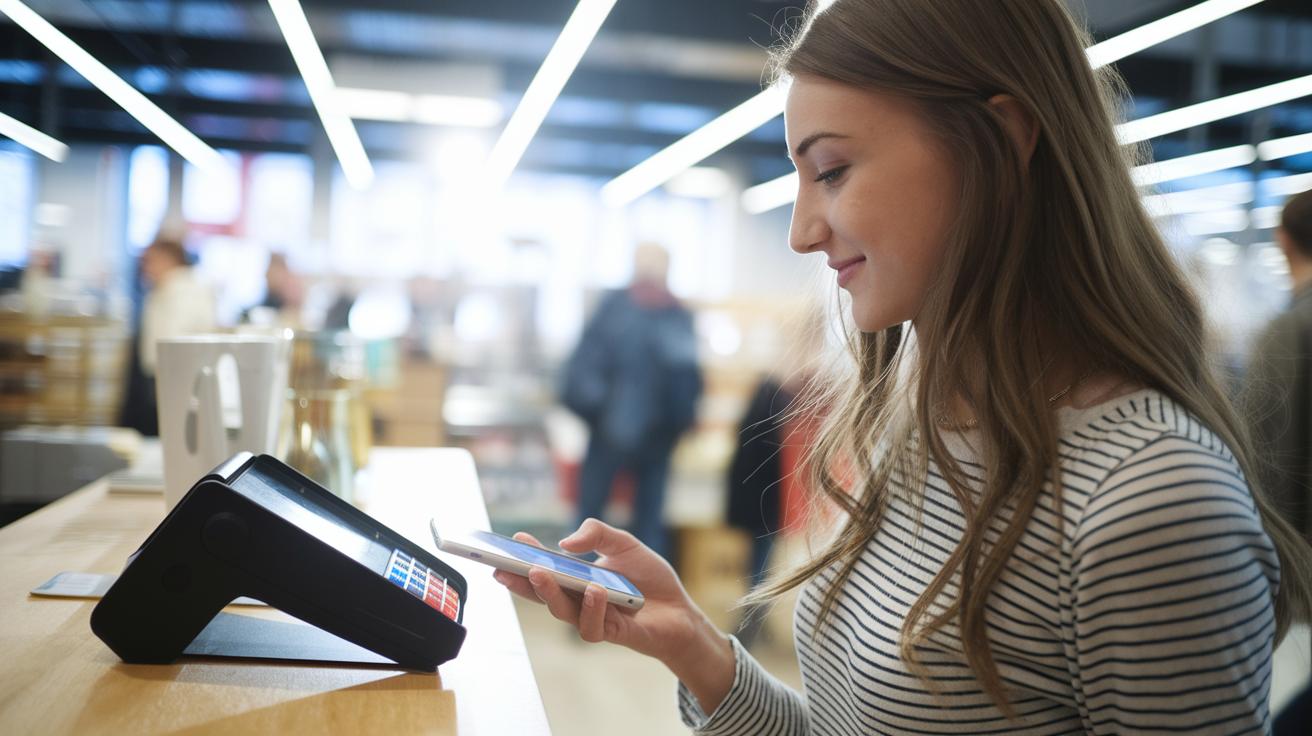
Digital payments are part of our everyday lives, making transactions quick, convenient, and secure. They go beyond the old-fashioned wallet or card swipe, offering options that perfectly suit whatever you're up to, whether you're shopping online or splitting a dinner check with friends.
- Mobile wallets: Apps like Apple Pay, Google Pay, and Samsung Pay let you store your card info safely and make payments with just a tap on your phone.
- Online banking: Secure bank websites let you send or receive money and keep an eye on your spending, all without stepping into a bank.
- Debit and credit cards: These trusted tools now come with digital boosts like tap-and-pay and fraud alerts, giving you a familiar yet safer way to pay.
- Contactless payments: With this tech, you simply wave your card or device near a reader to pay, skipping the need to insert chips or punch in a PIN.
- Peer-to-peer transfers: Services like Venmo, PayPal, and Cash App help you instantly send money to friends or family, without the hassle of using cash.
- Cryptocurrencies: Platforms such as Bitcoin, Ethereum, and Litecoin use blockchain, a secure digital ledger, to move funds, perfect for those who prefer a digital-first method.
Each method is made to fit different needs. Mobile wallets and contactless payments bring the speed and ease needed for quick purchases, while online banking helps you manage larger or recurring transactions directly from your account. Debit and credit card payments have stepped up their safety game, and peer-to-peer options simplify sending cash without visiting a bank. And for those who love cutting-edge tech, cryptocurrencies offer a modern, decentralized way to pay. In short, there’s a digital payment option that fits your lifestyle, whether you need a fast deal, strong security, or flexible payment choices.
How Digital Payment Processing Works
Payment Initiation
You start by entering your payment info through a secure gateway or app. It's kind of like sending in a digital order, your details slide into a virtual space and the process gets rolling. For example, when you tap to pay at a kiosk, you're kicking off that digital transaction. Think of it like dialing a number to start a call, but here you're starting a payment. Imagine typing in your card number and hitting send, it’s as quick as shooting off a text.
Payment Authorization
Next, the system makes sure everything you entered is spot on. It checks in with your bank to verify your info and that you’ve got enough funds. This step is all about giving you the green light so your digital order gets approved. It works like a secure chat between your bank and the processor, keeping your data safe. It’s like getting a friendly thumbs-up before someone passes you the ball.
Settlement and Clearing
Finally, your funds move securely over the payment network. This step is the final check, a digital record confirms your payment almost instantly, like a receipt popping up after a successful checkout. It wraps up the process in real time so both parties see that the deal is sealed.
Security Measures and Technologies in Digital Payments
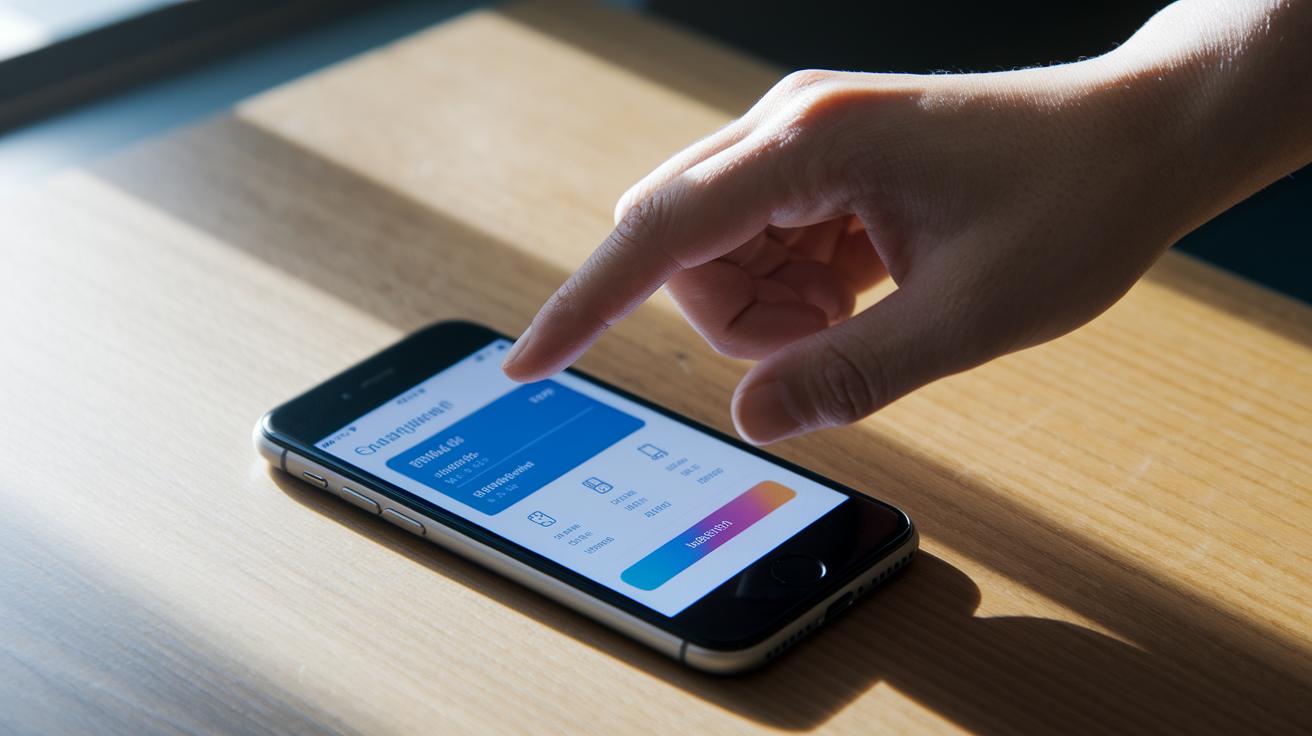
Digital payments use a variety of smart techniques to keep your money safe. They rely on secure internet protocols and encryption to make sure your private details stay hidden from unwanted eyes. Tokenization works by swapping your sensitive information with a unique set of codes so that even if someone intercepts the data, it doesn’t make sense to them. These methods go hand in hand with strict financial rules that ensure each transaction is secure and trustworthy. Think of encryption like turning your personal details into a secret code, while tokenization disguises your account information much like using a number instead of your name on a boarding pass.
On top of that, digital payments add another layer of defense through strong authentication measures. For instance, using Face ID for your virtual wallet helps ensure only you can get to your funds. Token-based systems further enhance security by supplying a short-lived code for every transaction, cutting down on the risk of online fraud. Whether you’re buying a coffee or making a big transfer, these multiple safety checks give you extra confidence that your transaction is secure.
- Use strong, unique passwords and update them regularly.
- Activate biometric features like fingerprint or face recognition.
- Enable two-factor authentication whenever possible.
- Regularly review account activity for any unusual transactions.
Advantages of Using Digital Payments
Digital payments bring a host of benefits that make handling money easier and more secure. They let you complete transactions in seconds, so you don’t have to wait long. It’s like having the pulse of a fast-moving market right at your fingertips.
- Speed: Payments are processed almost instantly, cutting down on waiting time.
- Convenience: You can pay from your smartphone or computer, which simplifies every purchase.
- Transparency: Every transaction leaves a clear digital record, making it easy to track where your money goes.
- Fewer Cash Handling Issues: With less physical money in play, there’s a lower risk of mistakes.
- Scalability: Whether you’re making small everyday buys or larger payments, the system grows with your needs.
Everyday situations, like quickly paying a bill or managing business costs, show how these advantages come together to simplify your financial life.
Challenges and Risks in Digital Payment Adoption

Digital payment systems can be really handy, but there are some bumps along the road. Sometimes, weak or spotty internet connections break up transactions, leaving users frustrated. And then there are those high fees or mismatches between different service providers that can throw a wrench in the works. You might even see network outages that delay funds or cause transactions to fail. All of this can make people a bit nervous about trying out new digital payment methods.
Security is another big worry. Even with strong encryption, cyberattacks, phishing scams, and hacking attempts still risk exposing personal data. It’s like trying to keep every secret safe in a noisy room. On top of that, when too many people use the system at once, you might experience service disruptions. This shows that even the best systems can have weak spots, making both providers and users worry about how safe their money really is.
Regulations and system compatibility add extra layers of complexity. Different regions have different rules for digital payments, and these laws often struggle to keep up with fast-moving tech. Plus, if various service providers don’t play nicely together, it makes online transactions even trickier. To tackle these challenges, companies are always updating security measures, improving how systems connect, and working hard to create a smoother, more secure digital payment world.
Emerging Trends and Future of Digital Payments
Digital payments are making big, exciting leaps, and both businesses and everyday shoppers are in for a smoother ride. We’re shifting towards mobile and contactless options that make paying for things as simple as a tap on your phone. Picture walking into your favorite store, tapping your device to pay, or a small business easily setting up recurring payments through an app. It's a glimpse of a future where transactions are quick and effortless.
Around the globe, trends are pointing to the use of blockchain-based cryptocurrencies for sending money across borders. At the same time, companies like Shopify are widening their horizons by supporting local currencies and offering flexible installment plans. Experts even predict that by 2028, digital payment volume could hit $16.62 trillion, boosting confidence in these systems for everyday transactions everywhere.
Looking ahead, new drivers will continue to shape how we pay in the next five years. Innovations that make it easier and even safer to move money across borders are on the rise. Consider these three key trend drivers:
- Blockchain systems: Think of it like sharing a secret code with a friend, secure and precise.
- Open banking: Imagine your bank and your favorite payment app chatting seamlessly, making everything feel as natural as a friendly handshake.
- AI-driven fraud detection: Picture a vigilant guard keeping an eye out 24/7, ready to alert you if something seems off.
These drivers hint at a future where digital payments not only get faster and more accessible, but also smarter and more secure for everyone.
Final Words
In the action of digital transactions, we covered the basics of digital payments, breaking down methods from mobile wallets to online banking. We also walked through the secure steps involved in processing transactions and highlighted the balance of benefits and challenges in using these systems.
This article clarified what is digital payments by explaining its role in fostering growth and stability. Keep these insights in mind as you explore new ways to create a secure and versatile payment strategy for your financial success.
FAQ
What is a digital payment system and what are some examples?
A digital payment system is a way to transfer money electronically instead of using cash or checks. Examples include credit and debit cards, mobile wallets, online banking transfers, and peer-to-peer apps.
What does digital payments in banking mean?
Digital payments in banking mean that transactions are done electronically, allowing funds to move between accounts swiftly via internet-connected devices instead of going through physical cash or paper checks.
What are common digital payment methods and services?
Common digital payment methods include mobile wallets like Apple Pay and Google Pay, contactless card systems, online banking, and peer-to-peer apps. These services let consumers choose an option that suits their speed and convenience needs.
What are the benefits of digital payments?
The benefits of digital payments are quick processing times, improved convenience, clear transaction records, less need for cash handling, and the ability to scale for growing business activities.
What are the disadvantages of digital payments?
The disadvantages of digital payments include potential cybersecurity concerns, a reliance on strong internet connectivity, occasional service fees, and issues when systems are down or providers do not work well together.
How do I receive a digital payment?
To receive a digital payment, you typically need a bank account or digital wallet linked to the sender’s payment app or platform. Once the sender initiates transfer, your account is credited securely through electronic systems.
Is a credit card or Venmo considered a digital payment?
A credit card and Venmo are indeed digital payment options. They both allow funds to be processed electronically, with credit cards handling transactions through banks and Venmo using mobile-app-based transfers.
What does “digital payment system PDF” refer to?
The term refers to a downloadable document that outlines how digital payment systems work. It provides details on processes, security measures, and benefits, helping readers understand the technical flow of online transactions.