
Ever wonder how a tap on your phone can replace cash? Digital payments are making it super easy and safe to buy just about anything, from your morning coffee to something big. With huge amounts of money flowing through these systems every day, they simplify how we pay and make banking more available to everyone.
Let's break down how these digital payments work and why they’re changing our financial habits. It’s like watching a fast, secure wave of transactions that could reshape the way we spend our money.
what is digital payments: Smart & Simple Innovation
Digital payments let you pay for goods and services with devices like smartphones, computers, or even your credit or debit card instead of using cash. Imagine grabbing your morning coffee by tapping an app that safely moves money from your bank account, it's that simple. Experts even say that by 2028, people might spend around $16.62 trillion using these methods, which shows just how fast trust in digital payments is growing. Still, cash plays a big role in everyday transactions like wages, social transfers, aid, and payments to farmers.
A group called the Better Than Cash Alliance, a mix of governments, companies, and international organizations, is pushing for digital payments that are secure, clear, and fair. They’re all about creating payment systems that offer trusted and easy options while keeping personal financial details safe with modern security measures. This shift doesn’t just make daily transactions smoother; it also means more people can join in and enjoy better, more inclusive financial services.
Core Components and Processes of Digital Payment Systems
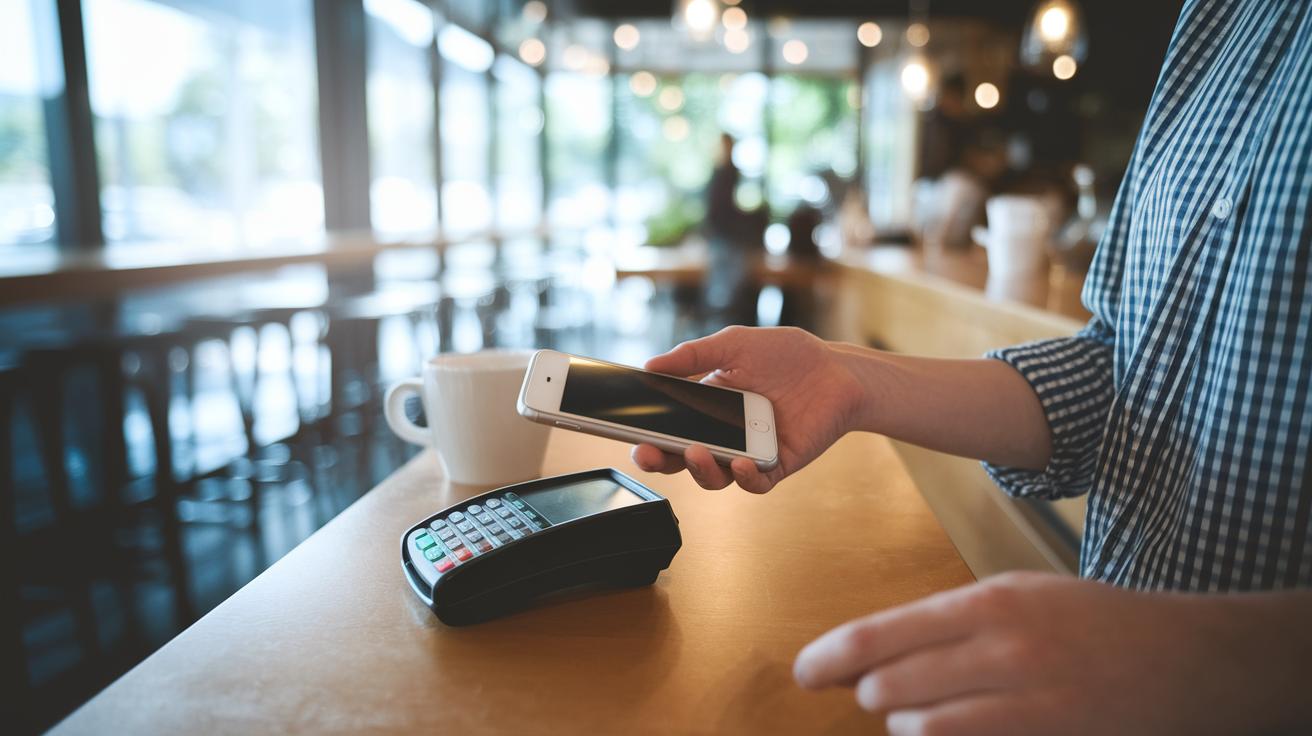
Digital payment systems make paying feel almost effortless. When you hit "pay," a few nifty steps work behind the scenes to move your money quickly and securely.
First, your payment details are gathered through a secure gateway. This gateway scrambles your card or account info so that even if someone intercepts it, they can't read a thing. It's like using your own secret code just for your bank.
Next, a payment processor steps in to check that the funds are available and to run a few fraud checks. Imagine your bank giving a quick thumbs-up with a little note saying, "Everything’s in order!"
Finally, a payment network, think of it as a team of trusted banks and credit card companies, handles the final transfer. They reconcile the transaction in real time, passing your money along smoothly like runners in a relay race until it reaches the right account.
Each of these steps is designed to protect your personal info and ensure your money moves without delay. Even though it seems like magic when you get instant confirmation, it's really a dance of encryption, verification, and rapid transfers working together seamlessly.
Common Methods of Digital Payments
Credit and Debit Card Payments
When you pay online or at a store's terminal with your card, it's all about ease and simplicity. You can settle one-time purchases or set up recurring payments by entering your card details on a secure website. Imagine buying a movie ticket by quickly typing in your card number, expiry date, and CSV code – it's straightforward and safe.
Contactless NFC Payments
Ever tapped your card or phone and been on your way? With NFC payments like Visa payWave or Mastercard Tap & Go, you just hold your device near the reader and you're done. Picture tapping your card at a coffee shop, speeding through a line without the hassle of swiping or entering numbers.
Mobile Wallets
Mobile wallets like Apple Pay, Google Pay, and Samsung Pay keep your card info safe within an app, letting you pay with a tap or a glance. Think about grabbing your groceries and paying in moments by simply opening your wallet app and tapping it on the reader. It's fast, secure, and super convenient.
Cryptocurrency Transactions
Digital currencies such as Bitcoin, Ethereum, or Litecoin let you send money through blockchain networks without relying on traditional banks. It’s like transferring funds directly to a friend across the country, often with lower fees and no middlemen involved. It’s a modern twist on moving money.
Electronic Bank Transfers
For higher-value transactions or when you need extra security, electronic bank transfers like ACH or wire transfers are the way to go. They move money directly between bank accounts safely, which is ideal for large payments like a home deposit. It’s a trusted and reliable method when you want to be extra secure.
Peer-to-Peer Services
Platforms like PayPal, Venmo, and Cash App are perfect for instant transfers between people. Whether you're splitting a bill or sending money quickly to a friend or family member, these services handle both online and in-person transactions with ease. They work well for regular payments, too, making them versatile for everyday use.
Security Measures in Digital Payment Transactions

Digital payment services keep your money safe using a mix of clever security tricks. For example, end-to-end encryption scrambles your details, like your card number, turning them into secret codes when they are sent. Tokenization then swaps your sensitive information with a unique token, which makes it almost impossible for anyone else to misuse the data.
They also rely on multi-factor authentication using one-time passwords, fingerprint scans, or Face ID to add an extra layer of protection. Payment platforms watch over transactions with real-time fraud-detection tools and monitoring dashboards that work much like security cameras, keeping a careful eye on activity. They follow strict PCI DSS guidelines that set clear rules for handling your data, ensuring every step is secure.
Blockchain verification further boosts security by creating a permanent record of every transaction in a secure chain. This method makes tampering highly unlikely and gives both users and providers extra confidence. Together, these layers of protection work to keep digital transactions safe, defending against breaches and keeping customer information secure in today’s fast-paced world.
Advantages of Digital Payments Over Cash and Traditional Methods
Digital payments make managing money feel fast and easy. When you buy something, the transaction settles in seconds rather than days, so you get instant confirmation. It feels almost like watching a race finish in record time.
They cut down on those long checkout waits and even help reduce physical contact. This can be a game changer when stores are packed or during busy hours. It’s quick, safe, and lets you skip the line.
Automated systems mean fewer fees and less cash-handling work for both shoppers and businesses. In other words, everyone saves a bit of money and hassle. It’s like rewriting the rulebook for everyday transactions.
Digital records keep things transparent, making it easier for companies and regulators to track the flow of funds. Think of it as a clear, digital trail that brings more certainty to the process.
Best of all, digital payments open up opportunities for more people, including low-income households and women who might not have used traditional financial services before. This boost in financial inclusion helps create a fairer, better-connected economy.
- Faster settlements that occur in seconds
- Convenient contactless transactions that speed up checkouts and reduce physical touchpoints
- Lower transaction fees and minimized cash-handling costs thanks to automation
- Clear digital audit trails that make monitoring money flows simpler for businesses and regulators
- Increased financial inclusion that brings safer and more accessible services to underrepresented groups
Digital payments do more than just simplify everyday purchases, they help build a more efficient and inclusive financial world.
Risks and Challenges of Adopting Digital Payment Systems

Digital payment systems can hit a few bumps that might shake consumer trust. When security isn’t strong, hackers, phishing scams, or data breaches can slip through and steal personal payment details. Imagine a tiny gap that lets cyber crooks in – it’s enough to make anyone wary of going digital.
Network outages are another real worry. Even a brief pause in connectivity can bring transactions to a standstill, impacting both businesses and customers chasing a busy day’s work. And because these systems are complex, even a small technical hiccup can turn into a big headache.
Then there’s the issue of the digital divide. In areas where people aren’t as comfortable with technology or don’t have steady internet access, falling back on secure online payments takes longer. This gap can widen economic differences between communities. Privacy concerns add to the mix, with folks uneasy about their transaction details possibly being used for profiling or sold without their permission.
In short, the path forward should involve clear, friendly frameworks that lay out fees transparently, offer simple ways to resolve disputes, and ensure providers stick to strict standards. By tackling these issues, we can help rebuild and maintain trust in digital payment systems for everyone.
Future Outlook and Innovations in Digital Payment Technologies
Fintech is about to change how money flows around the globe. Real-time settlements across borders, API-powered payment portals, and blockchain clearing are already smoothing out how transactions happen. Think of it like watching money glide through digital channels, fast, secure, and easy to track. And it gets better: soon, you might pay for your groceries by scanning a QR code or split a big bill into manageable chunks right from your digital wallet.
Experts expect this market to grow to more than $16.62 trillion by 2028, with mobile money taking off in developing countries. AI is stepping in to catch fraud in real time, keeping transactions running smoothly. New rules are also on the way to make different systems work together, boost security, and make sure everyone is included in the financial world.
Digital payment innovations are not just speeding things up; they’re also opening doors for more people to join the financial conversation worldwide. In short, the future is set to bring a safer, faster, and more inclusive way to handle money.
Final Words
In the action, this article broke down what is digital payments by defining the concept, explaining payment workflows, and reviewing key methods like mobile wallets and contactless systems. It also touched on essential security features, compared digital payments with cash, and noted upcoming innovations in the field.
The post paints a clear picture of digital payment processes. With each step understood, the future of seamless, secure transactions looks incredibly promising.
FAQ
What is a digital payment system and can you give examples?
The digital payment system means using electronic devices to make transactions instead of cash. It includes credit/debit cards, mobile wallets like Apple Pay, and person-to-person apps such as Venmo.
What is digital payment in banking?
Digital payment in banking refers to transferring funds through secure online platforms or mobile apps. It allows bank transfers, card transactions, and the use of digital wallets for quick and safe payments.
What are the benefits of digital payments?
The benefits of digital payments include faster processing, added convenience, reduced costs, and improved tracking of transactions. They also offer greater financial accessibility for many users.
What are the disadvantages of digital payments?
The disadvantages of digital payments include exposure to cyberattacks, potential data breaches, network downtimes, and privacy risks, especially for users with limited digital skills.
What does “digital payment system PDF” refer to?
The digital payment system PDF typically refers to a document that explains how digital payments work, covering system operations, security measures, and guidelines for proper use.
What are digital payment services?
Digital payment services are platforms that allow users to make secure electronic transactions. They offer quick, efficient, and easy ways to transfer money using digital devices.
Is a credit card a form of digital payment?
The use of a credit card counts as a digital payment since it involves the electronic transfer of funds during transactions rather than the use of physical cash.
How do I receive a digital payment?
Receiving a digital payment means linking your bank account or digital wallet to the payment platform. Funds are then deposited electronically, making the process both fast and traceable.
Is Venmo considered a digital payment?
Venmo qualifies as a digital payment because it allows users to send and receive money quickly through its app, making person-to-person transactions secure and convenient.