
Ever looked at a chart and thought a simple pattern might unlock big profits? In day trading, those quick clues on a 5- or 15-minute chart can really decide whether you make a smart move or miss out. Think of these patterns as friendly road signs, nudging you when it's time to act fast. Today, we'll chat about three of these patterns that could turn tiny signals into bold trading steps.
3 day trading chart patterns for bold moves
Day trading is all about catching those small price moves that can happen in just one day. When you’re scanning charts, these patterns work like road signs telling you when to buy or sell. You might use Japanese candlesticks, bar charts, or line charts on 1-minute, 5-minute, or 15-minute intervals to spot these clues. For example, noticing a bullish engulfing pattern on a 5-minute chart could hint at a reversal. It’s a bit like that moment of realization when you see a small candlestick formation and think, “Wow, there’s a lot going on here!”
Figuring out the difference between reversal and continuation patterns is key. Reversal patterns, like head and shoulders, signal the end of an uptrend. In these cases, if the middle peak rises higher than the two on the side and the price drops below a support level (the neckline), it usually means the market is turning. On the flip side, continuation patterns such as ascending triangles or flags suggest that the current trend is likely to carry on even after a little pause. It’s kind of like feeling the wind change direction, if the pattern fits, the momentum might just keep blowing in the same direction.
To really make the most of these patterns, wait until the pattern is fully formed. Then, look for extra clues such as a surge in trading volume or confirmation from signals on other timeframes. It’s like checking out a map from different angles to be double sure you’re on the right route.
- Look for clear breaks or demarcations in the chart formations.
- Confirm the signals with volume spikes and other helpful indicators.
- Be patient, wait until the pattern is complete before committing to a trade.
Reversal Signals in Day Trading Chart Patterns
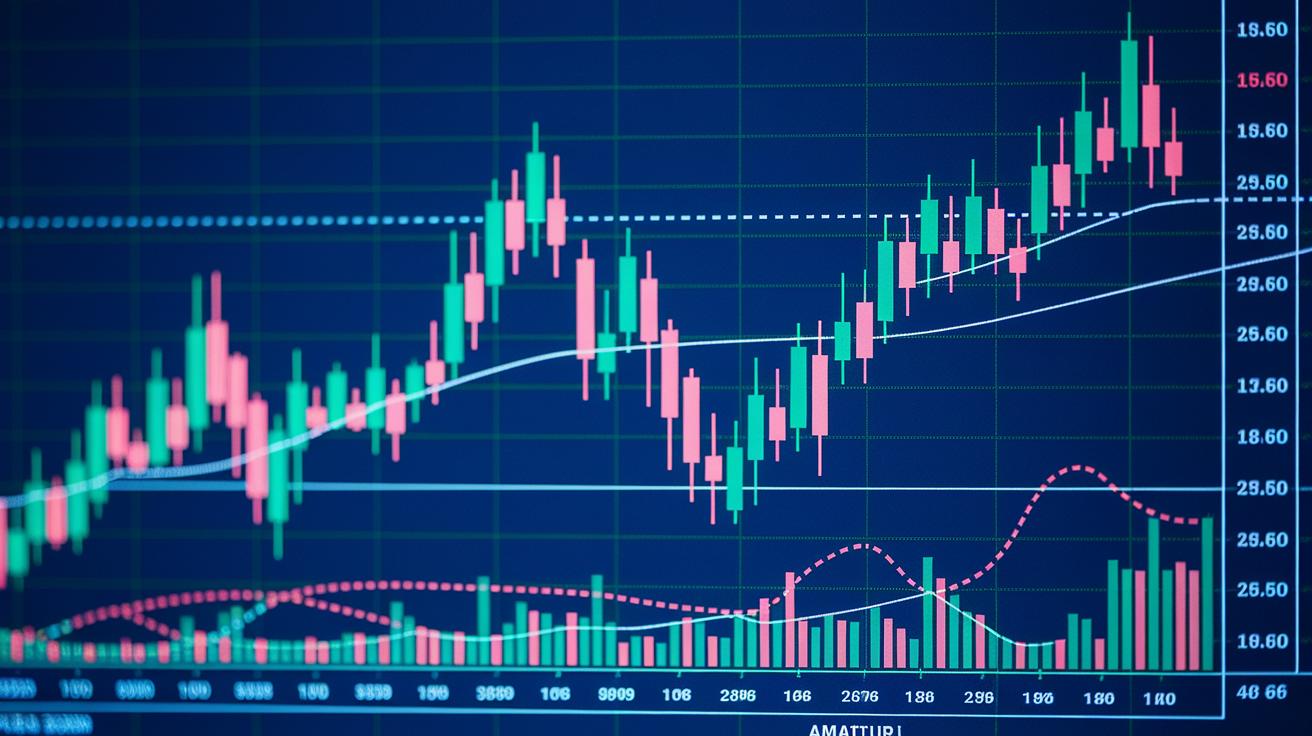
Hammer and inverted hammer patterns reveal shifts in market momentum. When you see a hammer after a downtrend, with a small body and a long lower tail, it tells you that buyers are starting to step in. On the other hand, an inverted hammer, marked by a long upper shadow, hints that the market may be gearing up for a bullish move. Imagine a day when prices have been falling steadily; then a hammer appears, nudging you to notice that buyers are slowly gaining control.
Doji patterns and double tops or bottoms, meanwhile, point to more subtle changes. A doji, where the opening and closing prices are almost the same, shows that the market is uncertain, so you might want to wait for a stronger signal before making any moves. And when prices test a certain level twice without breaking through, forming what we call double tops or bottoms, it’s a red flag that a trend reversal might be coming. Just picture the price hitting resistance two times; it’s a clear sign that traders are on alert for a downturn.
Here's a quick cheat sheet:
| Pattern | Signal |
|---|---|
| Hammer | Indicates buyers stepping in after a price drop |
| Inverted Hammer | Hints at potential upward movement with a long upper shadow |
| Doji | Reflects market hesitation; wait for clear movement |
| Double Tops/Bottoms | Suggests trend reversal when key levels are tested twice |
Pairing these patterns with volume spikes can boost your confidence as you decide when to enter or exit trades, without rehashing old ideas.
Continuation Patterns within Day Trading Chart Patterns
Symmetrical triangles are like the market pausing, with price swings getting tighter and uncertainty hanging in the air. Imagine a chart where the highs and lows slowly come together, hinting that a breakout might be on the horizon, even if it’s not yet clear which way things will move.
Ascending triangles, however, show a flat top along with rising lows. This pattern suggests that buyers are steadily building pressure against a ceiling, setting the stage for a bullish breakout. Think of prices repeatedly testing a limit until they finally break through, that move could kick off a strong upward trend.
Descending triangles tell a similar story but on the other side. They show the market forming lower lows against a solid support line, hinting that the downtrend is likely to continue. When prices dip below that support, it’s usually a sign the bearish momentum is here to stay.
Flag and pennant patterns are like scene changes after a big market move. They represent brief pauses that almost always end up following the direction of the previous surge. For example, after a rapid price jump, a short flag pattern might emerge, signaling that the trend is ready to keep going.
Wedges bring a bit more nuance into play. A falling wedge found during an uptrend often indicates that the upward move will keep its pace. In contrast, a rising wedge in a downtrend usually means that the bearish pressure will persist. By measuring the size of these wedges, you can often get a clue about where profit targets might lie after the breakout.
Candlestick Analysis for Day Trading Chart Patterns

Candlestick analysis is a go-to method for day traders, helping you read the signals in fast-paced markets like crypto. It focuses on patterns like hammer, inverted hammer, bullish engulfing, bearish engulfing, Marubozu, and doji to guide quick decisions.
A hammer pattern shows a small body with a long lower shadow, hinting that buyers may be stepping in after a dip. An inverted hammer sports a long upper shadow, pointing to a possible upward swing. For example, when you see a small-bodied candle with a long lower tail, it might signal a bounce.
Bullish and bearish engulfing patterns occur when a larger candle completely covers the previous one, suggesting a sharp change in market mood. Imagine a tiny candle being overtaken by a big one, this could tip the scale toward strong buying or selling pressure.
Marubozu candles highlight strong market momentum. A bullish Marubozu starts at a low and finishes high, while a bearish Marubozu does the opposite, clearly showing which way the market is leaning.
Doji candles reflect market indecision. With almost the same open and close, they leave traders waiting for the next candle to confirm a move. In short, a nearly equal open and close might mean the market is pausing before breaking out.
For day traders, especially in crypto, using these patterns on different timeframes can add extra clarity. A pattern on a 1-minute chart might signal the right moment to enter, while the same setup on a 5-minute chart can confirm the trend and help you time your moves just right.
Volume and Timeframe Integration in Day Trading Chart Patterns
Mixing volume data with different timeframes can really boost your edge in day trading. When you see a breakout or reversal, checking for a quick spike in volume is like hearing a shout from other traders backing that move. Picture this: a big burst on a 5-minute chart as the price breaks through a key resistance. That combo can give you the confidence to act.
When you’re scalping, a 1-minute chart is perfect for catching those tiny price moves. At the same time, 5- and 15-minute charts show you a broader picture of what’s happening. This layered approach helps you spot pivot points, those horizontal support or resistance lines where prices might bounce or pause, making it easier to decide when to jump in or back off.
Also, it’s a smart move to check oscillator signals, like RSI divergence. Think of it as adding an extra filter to sift through the noise and double-check your setup around those pivot levels.
- Use 1-minute charts to grab quick scalping moves
- Watch 5- and 15-minute charts to spot key support and resistance levels
- Check oscillator hints for extra confirmation
By blending these methods together, you boost your chance of catching big moves with sharper precision.
Breakout Strategies Using Day Trading Chart Patterns

When you see a pattern fully formed on your chart, hold off a moment and wait for the price to close beyond a key line, like a trendline or a major resistance level. This closing bar is your first clear hint that the move might really be starting. For instance, when a price finishes solidly above resistance, it often means the momentum is set to keep going.
Next, watch the trading volume. A sudden boost in volume along with a return test of the breakout level gives you that extra confidence that other traders are on board. This extra check helps steer clear of false signals. When the price successfully holds at the breakout level after its initial jump, that’s when your entry signal shines.
It’s smart to set a stop-loss just before the point where the pattern would no longer be valid. This simple step helps keep your risk in check if the price suddenly moves the other way.
Finally, figure out your profit target by measuring the height of the pattern or the expected move. This gives you a clear target for when it might be time to exit the trade. These breakout confirmation steps act like a roadmap, guiding you to capture solid intraday moves while keeping your day trading plan both clear and flexible.
Risk Management with Day Trading Chart Patterns
The first thing you gotta do is decide how much risk you're willing to take on each trade. Many traders stick to risking around 1% of their capital per trade. So if you have $10,000 in your account, you're looking at a $100 risk. Next, size your position by measuring the gap from your entry point to your stop-loss, which should be right at the point where the pattern fails. For instance, if a head and shoulders pattern gives you a clear stop-loss, make sure your share size is set so that even a quick move against you stays within that 1% limit.
It also helps to mix in other indicators, like RSI or moving averages, to back up your decisions. This extra step filters out weak signals and helps you avoid traps. Think of it as waiting for a clear green light before you move, this small pause can save you a lot when the market unexpectedly shifts.
Before diving in with real money, get some practice on a demo account until you really feel comfortable with this risk management plan. Stick to these simple measures to keep your trades on track, boost your discipline, and keep the odds in your favor while you work with solid technical setups.
Live Examples and Scanning of Day Trading Chart Patterns
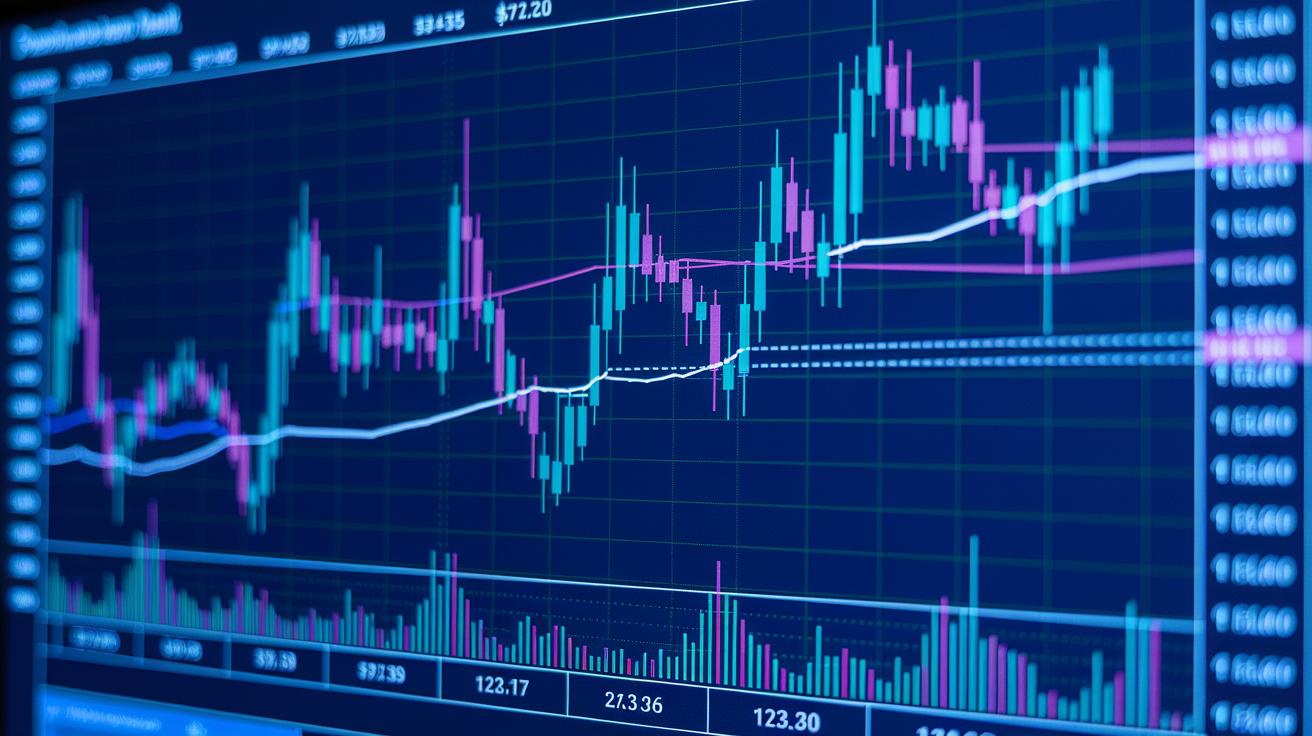
Imagine you’re watching a 5‑minute EUR/USD chart and spot a bullish flag pattern. The price groups together neatly before shooting upward, and a sudden surge in volume backs this breakout. It’s like watching a clear signal that tells you, “This might be your moment.”
Now, picture S&P 500 futures forming a double top. The price hits the same high twice, but the second time, the volume isn’t as strong. When the price finally slips below the level of support, it hints at a shift in trend. This kind of setup can help you decide when to enter or exit a trade with a bit more certainty.
You can also set up alerts to catch these key signals right when they happen. Think of these alerts as a friend constantly scanning the market and giving you a nudge when something important occurs.
Chart scanner tools further simplify the process by filtering out investments based on specific patterns and volume levels. This means you can quickly sift through many opportunities and focus on the ones that fit your trading style.
| Key Points |
|---|
| Real-time scanning of bullish flags on EUR/USD |
| Confirmation of double tops in S&P futures |
| Instant alerts for key pattern formations |
| Automated filters targeting volume conditions |
Final Words
In the action, we covered how chart patterns serve as visual cues for quick buying and selling decisions. We explored reversal signals, continuation setups, candlestick insights, and the role of volume across different timeframes. We also looked at breakout tactics and smart risk management to refine trades. All these steps feed into building confidence with day trading chart patterns. Keep practicing these strategies, and soon you'll feel more at ease as you fine-tune your trading decisions with clarity and purpose.
FAQ
What free day trading chart patterns PDFs are available?
Free day trading chart patterns PDFs offer beginner-friendly guides that explain reversal and continuation setups, key chart examples, and practical scanning techniques, helping you quickly identify trade signals.
What is the most successful day trading pattern?
The most successful day trading pattern often involves clear reversal signals like a bullish engulfing or hammer, especially when volume confirmation appears on overlapping timeframes.
What is the best chart for day trading?
The best chart for day trading is a candlestick chart with 1-minute, 5-minute, and 15-minute views, offering clear visuals and quick insights into price movements.
What is the best pattern for intraday charts?
The best intraday pattern is often a reversal candle—like a hammer—paired with volume confirmation, which provides clear entry cues during fast market moves.
How much can you make day trading with $1000?
Earnings with $1000 vary widely; disciplined risk management, proper strategy, and current market conditions are key. Its performance depends on your skill level and careful trade selection.