
Ever wondered why that little fee on your sale might seem like a sneaky extra cost? When you use Venmo’s goods and services option, they take a small, clear slice off your payment. This fee helps cover important things like processing and protecting the buyer, making sure everything goes smoothly. It might seem small, but knowing about it can really help you plan your budget when every penny counts. In short, if you understand how this fee works, you’ll always know exactly what you earn from each sale.
Understanding the Venmo Goods and Services Fee
When you use Venmo for buying or selling, a fee kicks in. But if you're just sending money to a friend, there’s no charge. The fee is a small percentage of your total amount, so bigger transactions take a bigger slice. This fee not only covers processing costs but also helps fund purchase protection, giving both buyers and sellers extra security.
For example, if you sell something for $74, Venmo takes about $1.41, leaving you with roughly $72.59. Even a fee as small as $1.41 on a $74 sale can add up when you’re making lots of sales!
This fee is automatically deducted so you always know exactly what you get. It’s a simple and clear way to keep everyone on the same page when money changes hands.
| Transaction Amount | Fee Deducted | Net Amount Received |
|---|---|---|
| $74 | $1.41 | $72.59 |
How the Venmo Goods and Services Fee Is Calculated
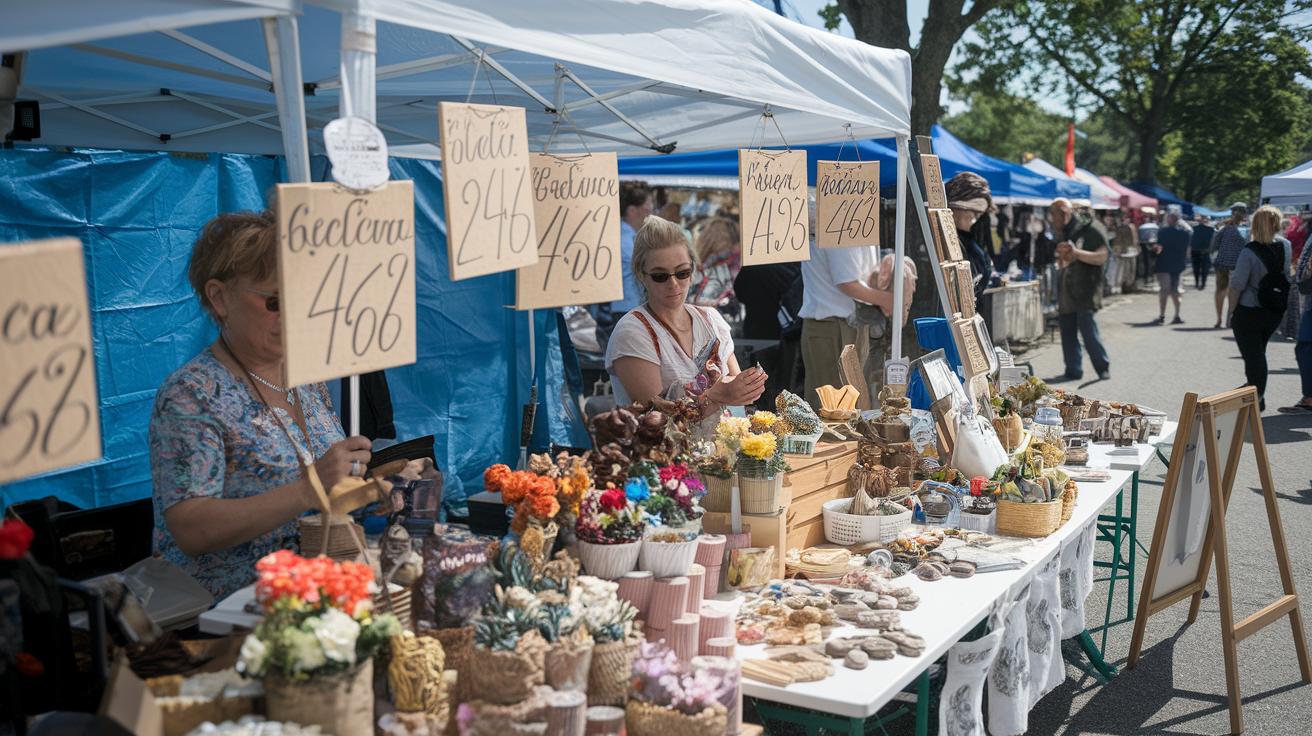
When you sell something using Venmo's goods and services option, they take about 1.9% off your sale. So, if you make $100 on a sale, you’d lose around $1.90. For a $250 sale, the fee is about $4.75. In other words, the more you sell, the higher the fee dollars will be, but it always stays at about 1.9% of your sale amount.
Other platforms, like PayPal, mix a percentage fee with a fixed fee. This means that on smaller transactions, the fixed fee might hit you harder. With Venmo, the fee scales with the item price, which can make it easier to predict your costs.
Imagine you're selling handmade crafts at a local fair. A $100 sale through Venmo would cost you about $1.90, while another platform might take a fixed fee that could reduce your profits more on a small sale.
| Platform | Fee Type | Example Fee on $100 |
|---|---|---|
| Venmo | Percentage (approx. 1.9%) | $1.90 |
| PayPal | Percentage plus fixed fee | $2.00 to $2.50 |
Knowing how these fees work can help you plan your pricing strategy so you know what to expect on each sale.
When and Why Venmo Applies the Goods and Services Fee
Venmo only charges a fee when you clearly mark a payment as part of a buying or selling deal. When you tag a payment as a purchase, a small fee kicks in to cover things like payment processing and purchase protection. For example, if you're selling a collectible and label the sale as goods or services, Venmo will automatically take a little fee to help protect both you and your buyer if something goes sideways.
Everyday transfers, like splitting the cost of dinner or sending money to a friend, stay fee-free. This way, normal person-to-person exchanges don’t pick up any extra charges, while transactions that involve buying or selling get a bit more security.
This fee applies only to transactions within the United States. So if you’re selling online to someone overseas, you won’t see this fee, but you might want to look into other platforms that handle international payments smoothly.
Think of it like buying a tiny insurance for your transaction. It might add a bit to the cost, but it brings extra peace of mind in case of a dispute. It’s really about giving sellers a little safety net when their sale is marked as a purchase.
Comparing Venmo’s Goods and Services Fee to Other Payment Platforms

Venmo Fee Overview
On Venmo, you simply pay a 1.9% fee on U.S. goods and services transactions. So if you sell something for $100, about 1.9% is automatically taken from your payout, all while enjoying built-in purchase protection that helps keep things secure.
PayPal Fee Structure
PayPal works a bit differently. They charge 2.9% plus $0.30 for every transaction. For example, if you sell an item for $50, that extra 30 cents might seem small individually, but it can really add up on lower-priced items, cutting more into your earnings.
Wise Business for International Sellers
For those dealing with international buyers, Wise Business offers a flat-rate surcharge, making global transactions easier to predict. This fixed fee can actually save you money compared to percentage-based fees, especially if most of your sales are overseas.
| Platform | Fee Model | Example |
|---|---|---|
| Venmo | 1.9% on U.S. transactions | Sale of $100 nets about $98.10 |
| PayPal | 2.9% + $0.30 per transaction | Sale of $50 sees a higher relative fee impact |
| Wise Business | Flat-rate surcharge for international payments | Helps reduce costs on cross-border sales |
venmo goods and services fee: Simple, Transparent Cost
Cutting back on Venmo fees is easier than you might think. Both sellers and buyers can take a few smart steps to save money. By adjusting how you handle your transactions and grouping smaller sales into one payment, you can keep more cash in your pocket. After all, why pay several little fees when one clear transaction will do the job?
Here are a few ideas to consider:
- Label non-commercial payments as "Friends" to skip extra charges.
- Combine several small payments into one bigger transaction to lower the fee per transaction.
- Use regular Venmo balance transfers for domestic customers when purchase protection isn’t needed.
- For international transactions, suggest using services like Wise Business to avoid U.S.-only fees.
- You can also include the fee in your product's price or ask buyers to cover the cost during payment.
Each of these tips helps keep your pricing straightforward and your earnings higher. Adjust your approach based on the type of transaction and your client’s needs, so fees don’t eat up too much of what you earn.
Venmo Goods and Services Fee Updates and Frequently Asked Questions

Venmo changes its fee rates from time to time, so it’s a good idea for both buyers and sellers to pop over to the Help Center for the latest scoop. If you ever notice an unexpected fee deduction, it might be because Venmo recently updated its fee structure, and the Help Center will have the details.
Many folks have questions like how to challenge a fee that just doesn’t add up, what the steps are for getting a refund if there’s a fee error, or how to tell if a transaction qualifies for purchase protection. One seller even asked, "How do I dispute a fee that seems off?" Venmo has laid out clear steps in the FAQ section to help you sort it out.
Venmo also explains how they decide if a transaction gets purchase protection. These guidelines help both sellers and buyers feel secure and confident in their deals. If you need to ask about a refund or have any fee-related questions, the Help Center is your go-to spot.
| FAQ | Answer Snippet |
|---|---|
| Fee Dispute | Follow the easy steps in the Help Center to file your claim. |
| Refund Process | Find clear guidelines on how to handle fees that seem off. |
| Purchase Protection Eligibility | Review the criteria listed so you know if your transaction is covered. |
- Check Venmo's Help Center for the latest fee policy updates.
- Use the FAQs to guide you through fee disputes and refunds.
- Regularly review the purchase protection criteria to stay informed.
Final Words
in the action, we explored how the venmo goods and services fee is calculated, its role in covering payment processing and buyer protection, and compared it with other platforms. We also outlined practical ways to lower these fees. This article shows how understanding fee structures and implementing smart strategies can help you manage expenses better. It’s all about giving you clear, easy-to-follow insights for stronger financial decisions. Keep this knowledge handy as you work toward greater financial growth and stability.
FAQ
What does the Venmo goods and services fee calculator show and how much is typically charged?
The calculator estimates the fee as a percentage of your transaction amount—usually around 1.9%—which is automatically deducted from goods and services payments.
How can I get a refund for the Venmo goods and services fee?
The goods and services fee refund is managed through Venmo’s dispute process. Contact customer support and review your transaction details in the Help Center to seek a refund if eligible.
Why has the Venmo goods and services fee increased?
The fee increase reflects adjustments to cover processing costs and maintain buyer protection. Venmo updates these changes periodically in its policy documentation available on its Help Center.
What do users discuss about the goods and services fee on Reddit?
Discussions on Reddit highlight user experiences, tips to manage the fee, and comparisons with other platforms, offering real-world insights into the impact of the fee on transactions.
What does Venmo goods and services protection cover?
The protection covers eligible purchases by offering buyer recourse if issues arise with delivered products, though it does not extend the same benefits to sellers.
Why is Venmo charging me a fee to receive money?
Venmo charges a fee when a payment is marked for goods and services, which covers processing and buyer protection. Personal transfers between friends typically do not incur this fee.
How can I avoid the new Venmo fees?
You can avoid the fees by tagging non-commercial payments as “Friends,” combining smaller transactions, or adjusting product pricing to include the fee when purchase protection isn’t necessary.
How much does Venmo charge for an instant transfer of $500?
For an instant transfer, Venmo applies a small percentage fee, often around 1% of the amount. Check the latest app rates for the most precise fee information.
How do I turn off the goods and services fee on Venmo?
You cannot simply disable the fee on Venmo. The fee is automatically applied to commercial transactions, so use the appropriate payment tag to avoid it when sending personal payments.
Does Venmo’s goods and services protection cover sellers?
The protection is designed mainly for buyers. Sellers do not receive equivalent coverage, so it’s wise to use additional safeguards when selling goods or services.