
Ever thought your phone could act as your wallet? NFC mobile payments let you pay fast and safe without giving away your full card numbers. Instead, each buy gets a little security check using your face, fingerprint, or passcode so it’s much harder for someone else to jump in.
In this chat, we’ll cover three big reasons to try NFC payments. From slicing checkout times down to a snap to hitting tough security checks, these payments are built to keep your cash secure while making your checkout smooth and easy.
3 nfc mobile payments Perks for Secure Spending
NFC mobile payments use a simple wireless method that lets two devices chat when they're right next to each other, usually just a few centimeters apart. Both the reader at checkout and your smartphone or smartwatch need to have NFC. These mobile wallets hold your payment info in an encrypted, tokenized format, which means your card details stay safe during contact-free transactions.
One big plus is the speed. Imagine cutting your checkout time by nearly 80%. That's like walking into a store and skipping the long line because the payment happens almost instantly. This quick process not only makes shoppers happy but also helps businesses run smoother by speeding up the whole buying experience.
Security is another major advantage. Before any transaction goes through, you're asked to unlock your device with a fingerprint, face scan, or passcode. This extra check means that only you can authorize payments, so if your device is ever misplaced, unauthorized charges are much less likely. This setup also helps businesses meet strict security guidelines like PCI DSS.
A third benefit is how easily it fits into existing systems. Most modern credit card terminals already come ready with NFC, so merchants can upgrade without a lot of hassle or extra costs. Whether you run a retail store, a quick-service restaurant, or a healthcare facility, integrating NFC mobile payments can make transactions both smoother and more secure.
Did you know that using contact-free transactions can reduce checkout waiting times by almost 80%? That's the real power of NFC mobile payments for secure, speedy spending.
How Tap-and-Go Payment Technology Works in NFC Systems
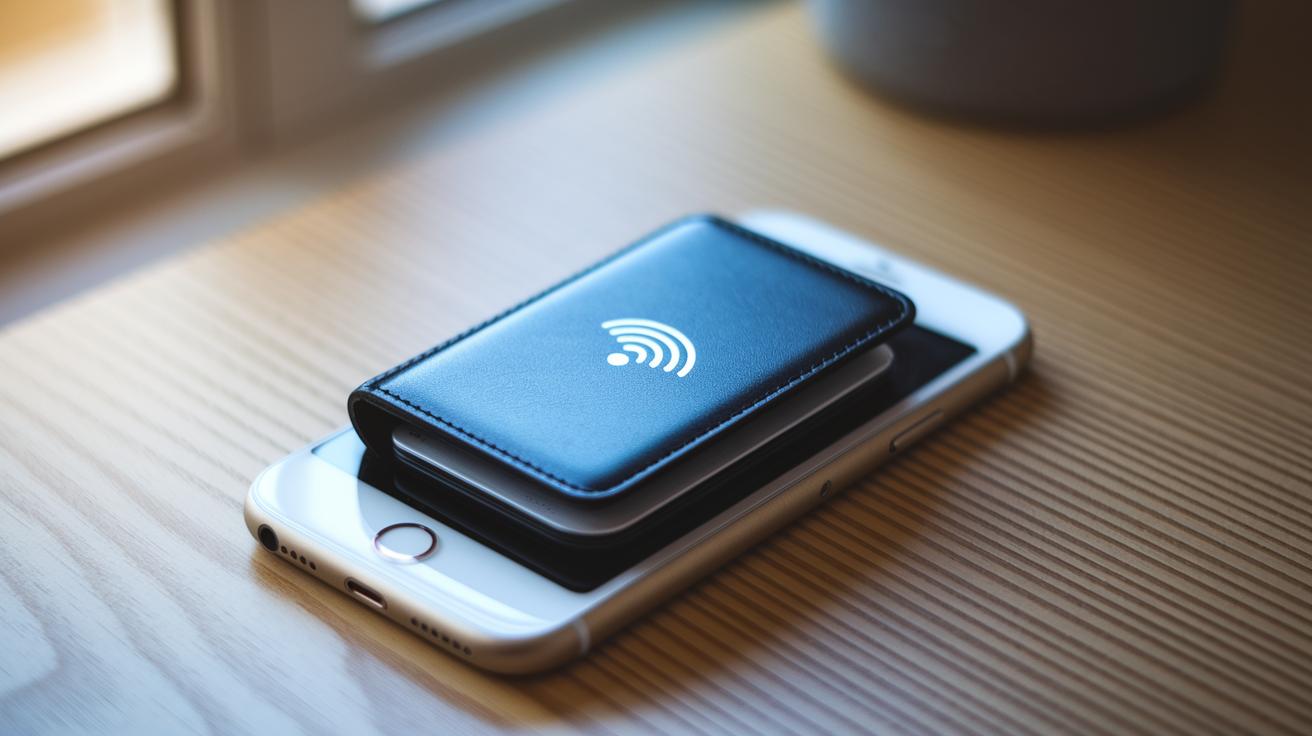
NFC mobile payments work by using a simple physics trick called electromagnetic induction to give power to tiny, passive tags inside your phone and at the payment terminal. This method creates a magnetic field that wakes up a small chip in the tag, allowing both devices to quickly swap information, almost like a super-fast chat where the terminal sends a burst of energy and your phone immediately responds with secure, encrypted data.
During this quick exchange, all your information stays safe. Your device securely stores sensitive payment details and wraps up transaction data without needing extra steps like repeated biometric checks.
There’s some great support on the tech side, too. Big platforms like iOS and Android offer ready-to-use developer toolkits and full SDK integration. This help makes it really easy for businesses to add tap-to-pay features into their apps, so payments go through smoothly and quickly.
Leading Smartphone Wallet Solutions for NFC Mobile Payments
Smartphone wallets have truly changed the way we pay. Transactions are now faster and safer than the old-fashioned methods we used to depend on. Top apps like Apple Pay, Google Pay, Samsung Pay, Venmo, and PayPal are paving the way forward. They protect your details using clever codes called tokens and check your identity with things like fingerprints or passcodes, so your information stays private.
Most top smartphone brands such as Apple, Samsung, Google, and Huawei come with NFC built right in. This wireless feature makes it a breeze for payment apps to work smoothly, so you can check out quickly without hassle. And here’s something cool: newer digital wallets let you send money to friends, shop within your favorite apps, and even link up with loyalty programs to make everyday purchases even easier.
It’s not just about convenience, though. These wallets also pack strong mobile contactless security to guard your money and personal data. With regular updates and feature improvements, they are always ready to meet today’s demands. They’ve become must-haves for both shoppers and merchants alike.
Below are some popular wallet choices that shine:
| Wallet | Features |
|---|---|
| Apple Pay | iOS only; uses Face ID or Touch ID; extensive merchant network |
| Google Pay | Works on Android and iOS; uses PIN or biometrics; supports peer-to-peer and in-store payments |
| Samsung Pay | Android only; uses MST along with NFC; compatible with many terminals |
| Venmo | Focused on mobile peer-to-peer; offers in-app checkout |
| PayPal | Available on multiple platforms; integrates with both online and offline systems |
Ensuring Robust Device Transaction Security in NFC Mobile Payments
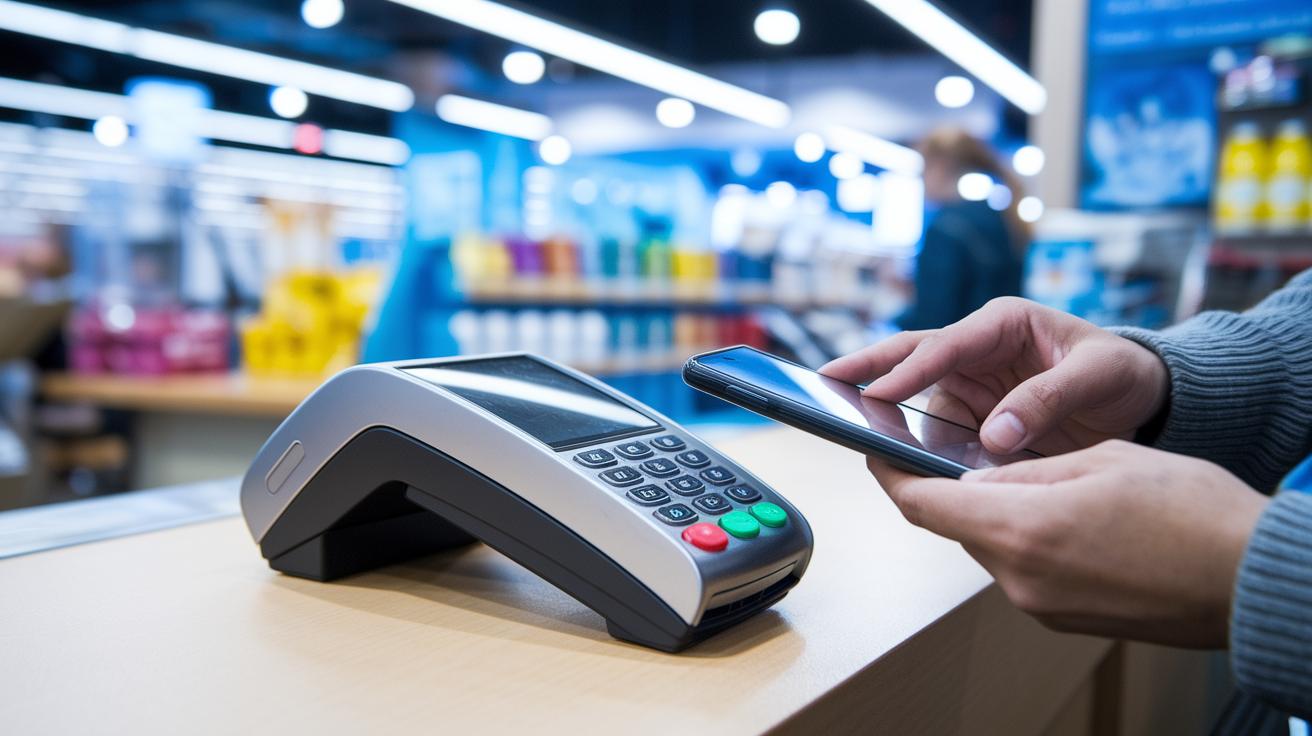
Every time you use NFC mobile payments, your device works hard to keep things safe. It sends out information in a scrambled, encrypted form, with random tokens taking the place of your real card details. This means your sensitive data stays hidden from prying eyes.
Before any transaction goes through, your phone asks you to prove it’s you. You might use a fingerprint, face scan, or even a passcode. This extra step lowers the risk in case your phone ever gets lost or stolen. Plus, features like remote wipe and device-lock make sure that if something goes wrong, your payment data can be wiped away quickly, so no one else can misuse it.
These payment methods follow tough standards set by industry guidelines like EMV® and PCI DSS. These rules make sure that not only are your transactions encrypted, but they also include extra protections, such as remote wipe and regular checks for compliance.
Finally, NFC only lets devices talk to one another when they're really close. This close-range connection is another layer in keeping your digital buying experience secure every time you tap to pay.
Selecting NFC-Enabled Payment Terminals for Contactless Pay Innovation
Modern payment systems are getting a serious upgrade with NFC-enabled terminals that let you tap and pay in a flash. Retailers, from bustling cafes to boutique bridal shops and even healthcare providers, love these devices because they trim down processing times and help recoup extra fees. The result? Quicker service and smoother operations that brighten the day for both busy businesses and relaxed stores.
When you're shopping for the right hardware, many folks turn to trusted brands like Square, Clover, and Shopify for their NFC-enabled card readers. These gadgets are designed to work as soon as you take them out of the box. Take Shopify’s Tap to Pay on iPhone, for instance. It turns any compatible iPhone into an NFC reader without extra gadgets or complicated setups. Of course, if you're setting up a fixed terminal that needs wiring, it might call for a pro to install it, but that little extra effort usually pays off with even faster customer turnaround.
| Terminal/Platform | Price Range | Key Features |
|---|---|---|
| Square Reader | $49–$79 | NFC + EMV; Bluetooth; iOS/Android |
| Clover Flex | $499–$749 | All-in-one; touchscreen; receipt printer; NFC |
| Shopify Tap to Pay | $0 (iPhone App) | No hardware; iPhone camera optional; NFC reader built-in |
In short, these modern cashless solutions not only streamline the checkout process but also add a touch of next-gen convenience to the customer experience. It's all about turning everyday transactions into something quick and delightful.
Integrating NFC Mobile Payment Solutions into Business Operations

If you’re ready to jump into NFC mobile payments, start by picking a trusted provider like Stripe, Square, or Shopify. It’s like choosing a dance partner who really gets your vibe. You want hardware that fits smoothly with your current system. After that, set up your merchant account, tweak the software settings, and hook everything up using the provider’s SDKs and APIs. Think of it as building a bridge between your cash register and your mobile wallet, simple and effective.
Next up, run a few test transactions. These trial runs help catch any glitches so your system can smoothly process contactless payments when you go live. And don’t forget to train your staff on the new on-the-go checkout solutions. Imagine a quick session where employees practice using a handheld device to complete a payment in just a few seconds, it really builds confidence and skill.
Developers also get a boost from the detailed documentation and support offered by top platforms. This makes setting up interoperable wallet networks much easier. A great example is Shopify’s Tap to Pay on iPhone, which removes the need for extra hardware and slashes setup time. In short, this streamlined process fuels innovation and keeps your business ahead of the curve in payment trends.
Emerging NFC Mobile Payment Trends and Future Projections
Imagine how contactless payments are growing at a breathtaking pace. Experts now predict that this market could top $10 trillion by 2027. A 2021 American Express report found that 73% of people love using contactless payments because they’re so simple, and 54% rave about just how fast the transactions are. Fun fact: Some payments are completed in under a second, completely changing the way we think about checkouts. This lightning-fast digital payment speed is making shopping smoother and services more efficient across many sectors.
New gadgets and devices are mixing things up even more. From smart wearables to in-car payment systems and IoT devices (think household gadgets connected to the internet), the ways we pay are expanding every day. At the same time, improvements in tokenization (a method that keeps your payment safe by replacing sensitive data with unique symbols) and cross-platform interoperability (tech that lets different systems work together) are speeding us toward a cashless society. In short, these tap-tech innovations are making transactions easy and secure for everyone, signaling an exciting transformation in everyday payments.
Final Words
In the action of exploring how NFC mobile payments work, we examined everything from tap-and-go methods to robust security protocols. We explored smartphone wallets, compared payment terminals, and discussed practical steps to integrate contact-free transactions into business operations. Each section aimed to shed light on fast, secure, and efficient payment processes. There's exciting potential as technology keeps redefining how we handle money with ease and safety. Here's to more simple and smart payment choices ahead.
FAQ
What is NFC mobile payments?
NFC mobile payments use near field communication to let a smartphone or smartwatch talk securely with a payment terminal. This creates a fast, contactless way to pay at checkout.
How do you use NFC payment?
Using NFC payment means you launch your mobile wallet on an NFC-enabled device, hold it near a compatible terminal, and then verify your identity using a fingerprint, face scan, or passcode.
Is Apple Pay an NFC mobile payment?
Apple Pay is an NFC mobile payment because it uses near field communication on your iPhone or Apple Watch to securely complete contactless transactions with a payment terminal.
Is Google Pay an NFC mobile payment?
Google Pay qualifies as an NFC mobile payment by transmitting encrypted, tokenized data via near field communication from your device to a payment terminal for a quick checkout.
Is Samsung Pay an NFC mobile payment?
Samsung Pay functions as an NFC mobile payment, combining NFC with MST technology to let you tap your device against a terminal for a safe and easy transaction.
What is an example of an NFC payment?
A common example of an NFC payment is tapping your smartphone using Apple Pay or Google Pay at a retail checkout, where encrypted card details transfer securely to the terminal.
Is Zelle an NFC mobile payment?
Zelle is not an NFC mobile payment; it transfers funds over bank networks via a mobile app rather than using near field communication for contactless transactions.